Foresight 2026

Unlocking the Power of Information to Ensure Traveller Safety in 2026

Paul Mutter

Global Coverage Manager

As we look towards 2026, the global travel landscape is entering a period of significant transformation.

Beyond the immediate effects of geopolitical shifts, climate change and public health concerns, emerging trends are reshaping how people move, how destinations respond and how organisations manage risk.

Travellers are increasingly seeking experiences that balance personal well-being, cultural engagement and environmental consciousness, while technology is enabling faster, more seamless journeys. At the same time, complex risks, from cyber threats to civil unrest, require sophisticated planning and agile responses. For organisations supporting international mobility and for business travellers, understanding these converging trends is critical to making informed decisions.

The most resilient and prepared travellers in 2026 will be those who combine real-time intelligence, expert guidance and personal awareness. Organisations managing international mobility must integrate these insights into policy, planning and support structures to safeguard their people while enabling meaningful and productive travel. Ultimately, understanding the subtle interplay of these forces, not simply responding to headlines, will define success in navigating a travel landscape that is simultaneously complex and unpredictable.


The travel sector in 2026 will continue to evolve under the influence of changing behaviours, digital innovation and regulatory pressures. Work-life blending and bleisure travel are expected to remain strong, reflecting a continued desire to merge business responsibilities with personal enrichment. Slow travel, wellness retreats and ‘calmcations’ demonstrate a growing focus on restorative and immersive experiences, as travellers seek more meaningful engagement with destinations.
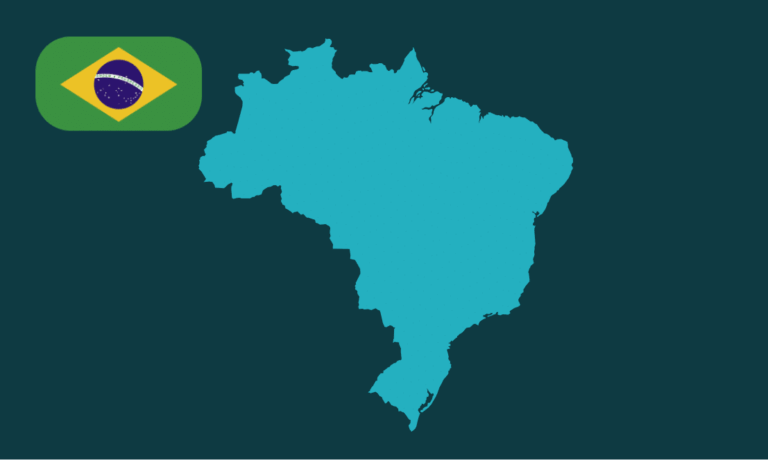
Safety considerations for 2026 are shaped by a complex interplay of crime, geopolitical tensions, climate hazards and technological threats. Certain regions present higher risks for solo travellers, particularly where violent crime, gender inequality or harassment is prevalent, including India, Mexico, Egypt, Morocco, Brazil, Colombia and South Africa.
Health risks remain a central factor in travel planning. Respiratory illnesses are anticipated to pose significant challenges in 2026, with the US Centers for Disease Control and Prevention (CDC) warning of a potentially severe season.
The world of travel in 2025 is defined by a balance between barriers and liberalisation, shaped by a combination of geopolitical tensions, climate change and digital transformation.
If 2024 is anything to go by — a year that included an mpox outbreak with a more contagious strain, a deadly outbreak of Marburg in Rwanda that thankfully appears to have been contained and record new measles cases as vaccination rates fall across the world — we are in for a challenging year for global health.
Looking to 2025, the global security environment looks riskier than ever. With a new United States (US) administration, there is uncertainty about what will happen to ongoing conflicts.
Beyond the immediate effects of geopolitical shifts, climate change and public health concerns, emerging trends are reshaping how people move, how destinations respond and how organisations manage risk. Travellers are increasingly seeking experiences that balance personal well-being, cultural engagement and environmental consciousness, while technology is enabling faster, more seamless journeys. At the same time, complex risks, from cyber threats to civil unrest, require sophisticated planning and agile responses. For organisations supporting international mobility and for business travellers, understanding these converging trends is critical to making informed decisions. The most resilient and prepared travellers in 2026 will be those who combine real-time intelligence, expert guidance and personal awareness. Organisations managing international mobility must integrate these insights into policy, planning and support structures to safeguard their people while enabling meaningful and productive travel. Ultimately, understanding the subtle interplay of these forces, not simply responding to headlines, will define success in navigating a travel landscape that is simultaneously complex and unpredictable.

Beyond the immediate effects of geopolitical shifts, climate change and public health concerns, emerging trends are reshaping how people move, how destinations respond and how organisations manage risk.

Travellers are increasingly seeking experiences that balance personal well-being, cultural engagement and environmental consciousness, while technology is enabling faster, more seamless journeys. At the same time, complex risks, from cyber threats to civil unrest, require sophisticated planning and agile responses. For organisations supporting international mobility and for business travellers, understanding these converging trends is critical to making informed decisions.

The most resilient and prepared travellers in 2026 will be those who combine real-time intelligence, expert guidance and personal awareness. Organisations managing international mobility must integrate these insights into policy, planning and support structures to safeguard their people while enabling meaningful and productive travel. Ultimately, understanding the subtle interplay of these forces, not simply responding to headlines, will define success in navigating a travel landscape that is simultaneously complex and unpredictable.

Find out how our data and intelligence can help you
be prepared and stay informed

Destination Research

Destination risk, safety & travel reports

Travel Search

Visa, health, safety & documentation

TripReady

Pre-travel security & travel safety advisories

Realtime Alerts

Breaking on-site travel risk updates 24/7

Visa Check Beta Tool

Instant, accurate visa rules for 220+ countries

Travel and Tech Data

Data to improve user satisfaction

Technology Solutions

APIs, widgets and portal

The Informer

Articles, news and product updates

Newsroom

The latest developments at Riskline

Resources

In-depth content on relevant topics

Download the PDF

Download the PDF

Beyond the immediate effects of geopolitical shifts, climate change and public health concerns, emerging trends are reshaping how people move, how destinations respond and how organisations manage risk.

Travellers are increasingly seeking experiences that balance personal well-being, cultural engagement and environmental consciousness, while technology is enabling faster, more seamless journeys. At the same time, complex risks, from cyber threats to civil unrest, require sophisticated planning and agile responses. For organisations supporting international mobility and for business travellers, understanding these converging trends is critical to making informed decisions.

The most resilient and prepared travellers in 2026 will be those who combine real-time intelligence, expert guidance and personal awareness. Organisations managing international mobility must integrate these insights into policy, planning and support structures to safeguard their people while enabling meaningful and productive travel. Ultimately, understanding the subtle interplay of these forces, not simply responding to headlines, will define success in navigating a travel landscape that is simultaneously complex and unpredictable.