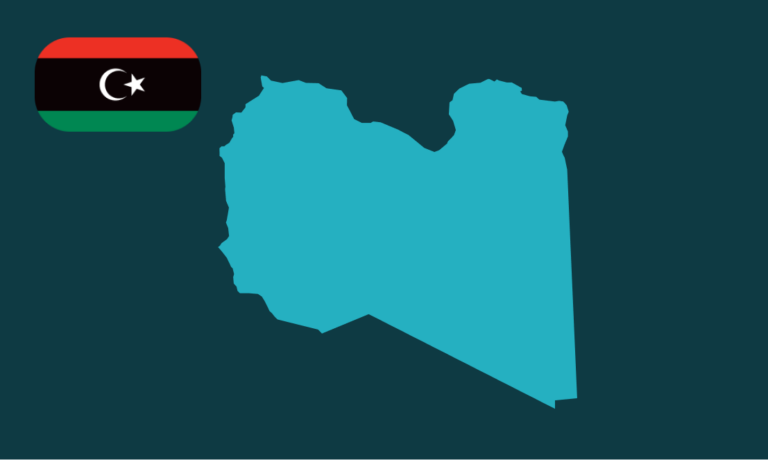
Several countries in the Middle East and North Africa are facing important political developments in 2026. In Libya, presidential and parliamentary elections that had been expected in mid-April failed to materialise, extending the country's prolonged political deadlock. Despite renewed international efforts to broker an agreement between rival administrations, deep divisions over the electoral framework and governance arrangements continue to hinder progress. Elections may now take place in late 2026 or early 2027, although significant obstacles remain.
.
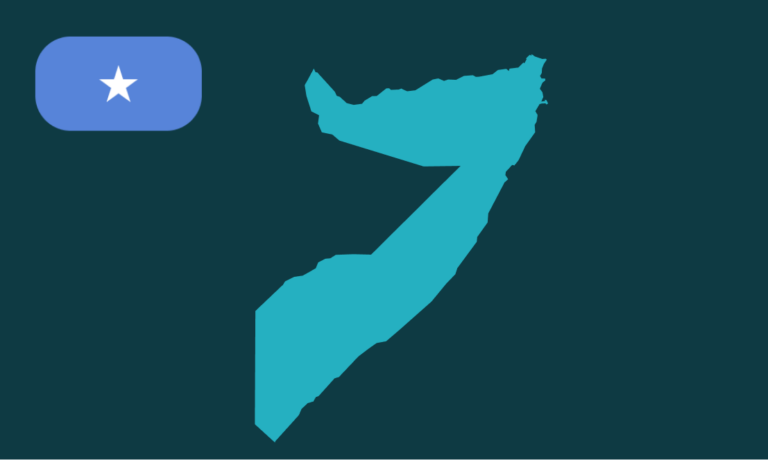
In Somalia, presidential elections scheduled for May were postponed until 2027 after President Hassan Sheikh Mohamud extended both presidential and parliamentary terms through controversial constitutional amendments. The move has been rejected by opposition groups and several regional administrations, raising concerns about constitutional legitimacy, political fragmentation and the risk of renewed instability. Armed clashes between government and opposition-aligned forces in Mogadishu have highlighted the growing tensions.
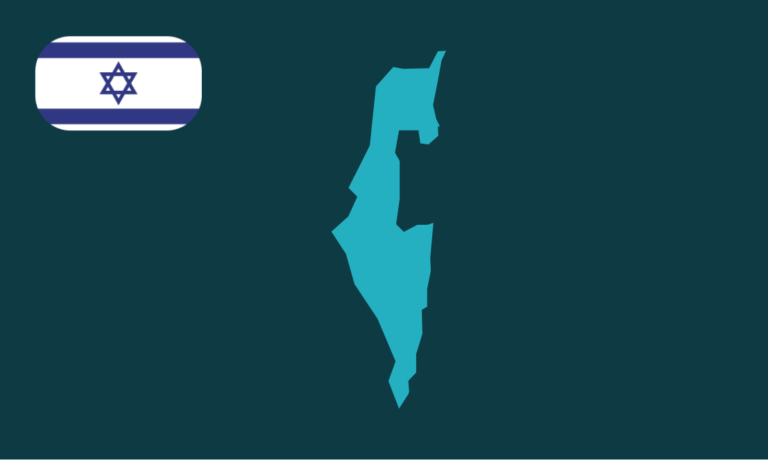
In Israel, parliamentary elections remain officially scheduled for 27 October, although snap elections remain possible due to coalition instability and ongoing disputes within the governing alliance. Prime Minister Benjamin Netanyahu continues to face corruption charges and a deeply polarised political environment. Domestic economic concerns, the Gaza conflict, regional tensions and public protests are expected to shape the campaign, while coalition-building is likely to remain challenging regardless of the outcome.
Together, these developments underscore persistent governance challenges across the region. Political deadlock, institutional fragility and deep societal divisions are likely to remain key drivers of instability in the coming year.