With the FIFA World Cup 2026 set to run from 11 June to 19 July, the United States is preparing to host matches across 11 cities. The tournament will bring unprecedented volumes of domestic and international travel, placing significant pressure on transport networks, accommodation capacity, and urban infrastructure.
“For travel managers and security teams, the best approach is to combine real-time information, expert insight and heightened situational awareness. Understanding these overlapping dynamics will be key to ensuring a safe, efficient and enjoyable World Cup experience for travellers,” explains Diego Maloney, Senior Analyst at Riskline.
Getting around the United States
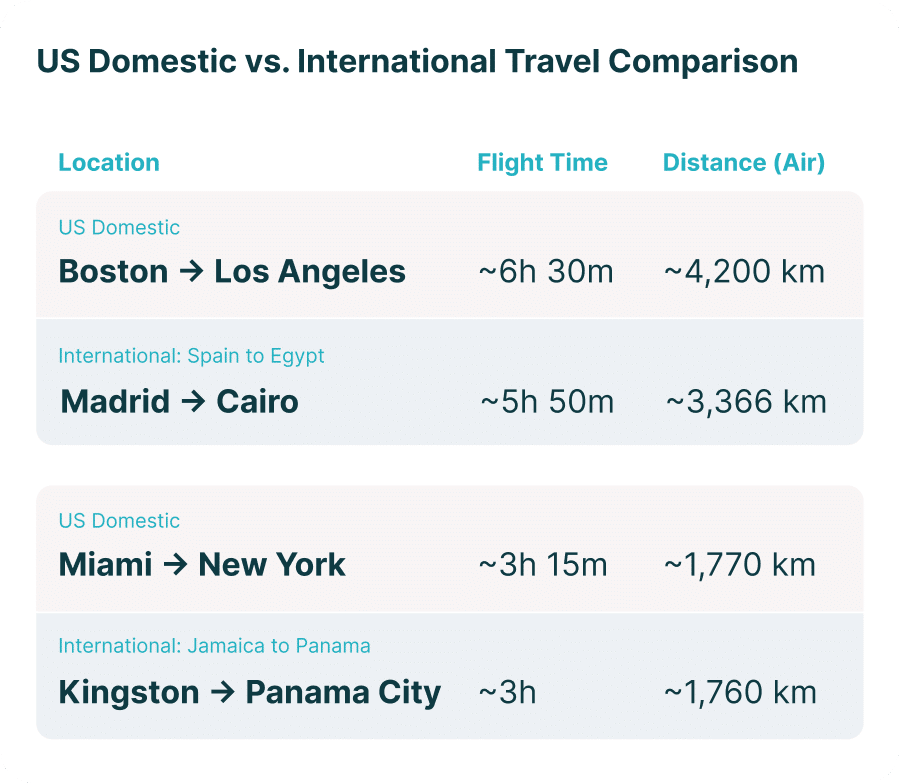
Given the vast distances between host cities, air travel is the most convenient option.
Major international gateways include:
- New York (JFK/EWR)
- Los Angeles (LAX)
- Miami (MIA)
- Dallas (DFW)
- Atlanta (ATL)
- San Francisco (SFO)
Within cities, transport systems vary widely:
- Northeast corridor (New York/New Jersey, Boston, Philadelphia): strong rail and metro connectivity
- Atlanta, Miami, San Francisco: reliable metro systems with good stadium access
- Dallas, Houston, Los Angeles, Seattle: largely car-dependent with heavier reliance on road networks and ride-sharing services (Uber, Lyft)
Due to expected congestion on match days, advance transport planning and pre-booked transfers are strongly recommended.
Entry requirements
International visitors will generally require:
- ESTA approval (Visa Waiver Program travellers), or
- A B1/B2 visitor visa depending on nationality
Additional key points:
- Canadian and Mexican nationals benefit from specific entry exemptions
- Eligible ticket holders may access expedited visa interview scheduling via FIFA PASS
- Visitors arriving via a land border crossing or a selected ferry port will need a Form I-94, which is issued at the entry point
Explore our complete travel guide.
Security environment
The United States presents a moderate to elevated risk profile, with conditions varying significantly by city and neighbourhood.
Crime
- Petty crime is the most common risk in crowded areas such as transport hubs, fan zones, and tourist districts
- Risk increases during peak match-day movements due to crowd density
- Situational awareness is essential in unfamiliar urban environments, particularly at night
Terrorism risk
- The US maintains a heightened counterterrorism posture
- Stadiums, transport hubs, hotels, and fan zones may represent potential targets
- Strong security measures will be in place across official venues
Protests and civil unrest
The US is expected to experience a high likelihood of protests during the tournament period.
- Demonstrations may occur in major cities and around high-profile events
- Drivers include political, social, and international issues amplified by global media attention
- Disruptions may include road closures, heavy policing, and transport delays
Travellers should avoid all demonstrations and follow local authority guidance.
Health and environment
Conditions vary significantly across host cities:
- Heatwaves: particularly in Dallas, Houston, and Miami
- Severe thunderstorms: likely to disrupt East Coast air travel (New York, Atlanta, Boston, Miami)
- Wildfire smoke / air quality issues: possible in western states, including California
Heat exposure will be a key risk for outdoor spectators during summer match conditions.
Explore the Security Issues section of our FIFA World Cup Informer.
Scams: what to flag
- There is no dedicated FIFA visa for the tournament
- Travellers should apply for standard visitor visas based on their nationality
- Tickets must be purchased only through official FIFA platforms
- Accommodation and travel package scams are widespread; book through verified providers and flag unsolicited offers immediately
Pre-departure checklist for travel managers
- Arrange pre-booked transfers for all airport and stadium routes
- Build buffer time into all domestic and intercity itineraries
- Ensure travellers have valid ID and entry documentation
- Share real-time transport and security updates with travellers
- Ask travellers to use the FIFA World Cup 2026 Official App for real-time schedule updates
- Establish clear communication and emergency response protocols
Travelling beyond the US?
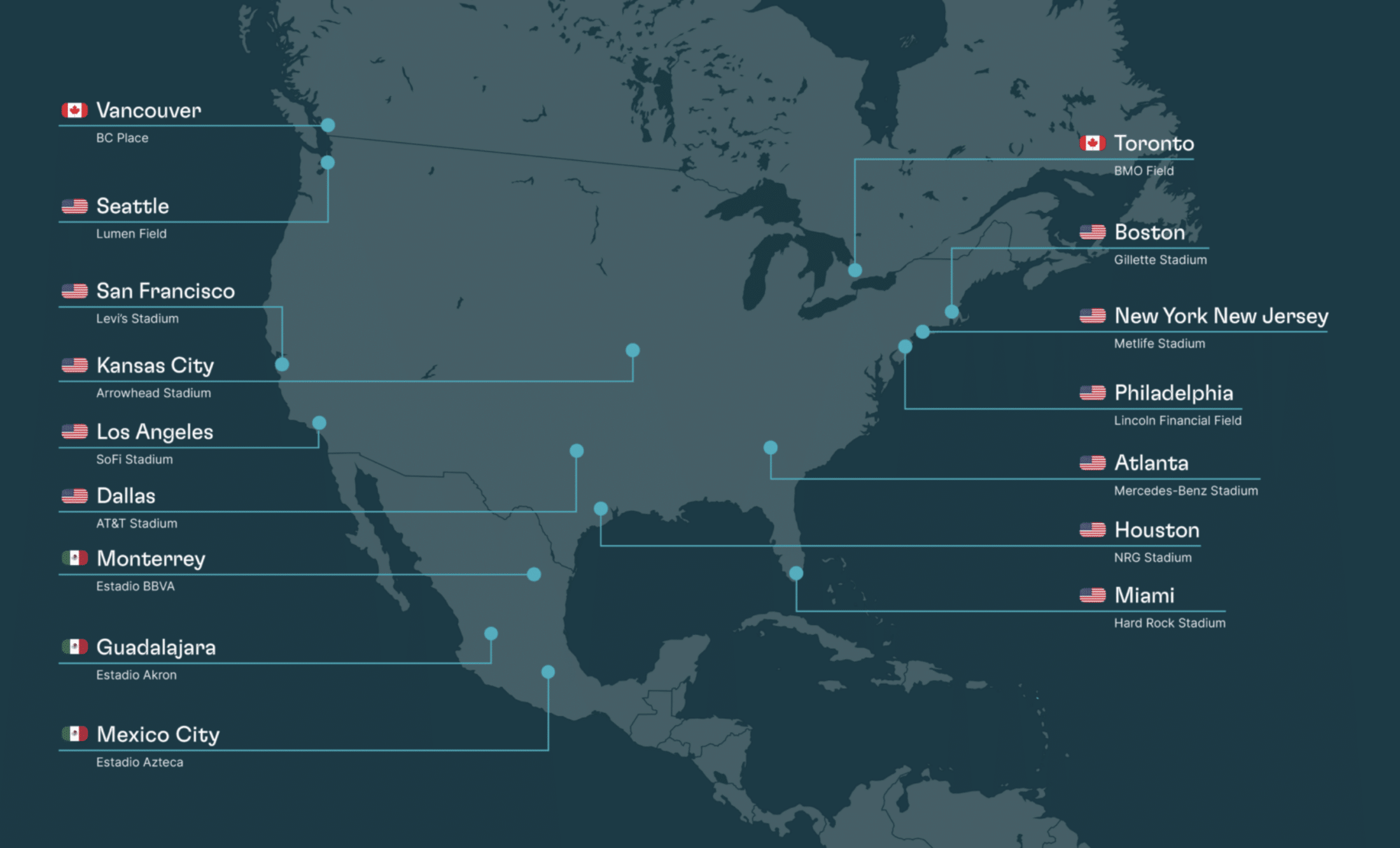
Alongside the 11 US host cities, matches will also take place in three cities in Mexico (Mexico City, Guadalajara, and Monterrey) and two cities in Canada (Toronto and Vancouver). Travellers attending matches across multiple countries should account for additional entry requirements, border crossing procedures, and distinct security and health conditions in each destination.
Take a look at our Travel Risk and Safety Guides for Mexico and Canada.
Download the complete FIFA World Cup 2026 Informer.
Riskline will continue monitoring conditions across all three host countries throughout the tournament.
Book a demo to see our real-time Alerts and destination intelligence in action.
Prepare. Plan. Stay safe. Score big. ⚽