By Ryan Rogers
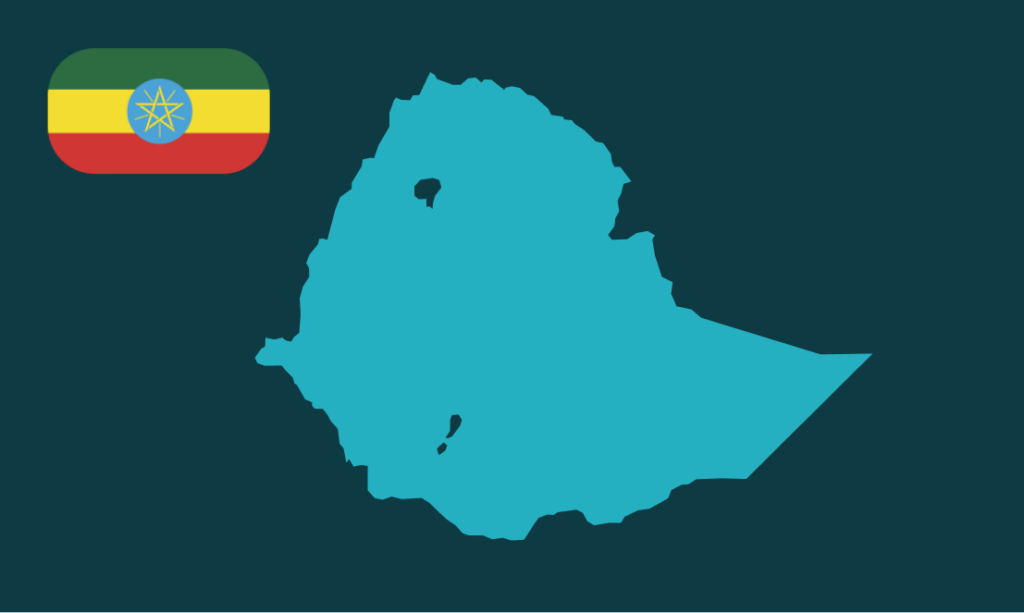
The 1 June Ethiopian general elections were hailed by the federal government as evidence of the country’s democratic progress. However, actions by opposition parties and regional actors suggest that significant challenges to national unity persist and that public confidence in state institutions remains low. Various areas of the country—most notably the restive Tigray region—were excluded from voting due to security concerns.
Voting was also disrupted at 143 polling stations across the Amhara and Oromia regions after local armed groups imposed transport bans as part of an election boycott. These logistical challenges, combined with deteriorating relations between the federal government and Tigrayan officials, indicate that Prime Minister Abiy Ahmed Ali’s attempt to centralise political and military power still faces significant obstacles.
Projected outcome
Although election officials announced that vote counting had concluded in most constituencies, results remained unavailable as of 11 June because long transit distances and poor road conditions were impeding the delivery of certified ballots to the National Electoral Board. Separate voting was organised on 9 June for the country’s large population of internally displaced persons, underscoring the logistical challenges of conducting an election amid widespread insecurity.
Election officials also announced investigations into complaints from 120 constituencies and stated that official results would not be released until those inquiries had been completed. Despite this complexity, many opposition parties and international observers consider the outcome a foregone conclusion, with Prime Minister Abiy Ahmed Ali’s Prosperity Party expected to maintain a commanding majority in the House of Peoples’ Representatives.
This continued grip on political institutions is likely to facilitate the Ethiopian government’s crackdown on the country’s political and media landscapes. Similarly, the government is likely to maintain its apparent aspirations for direct sea access which has ignited concerns of renewed conflict with neighbouring Eritrea.