
By Diego Maloney and Jesús Aguilar
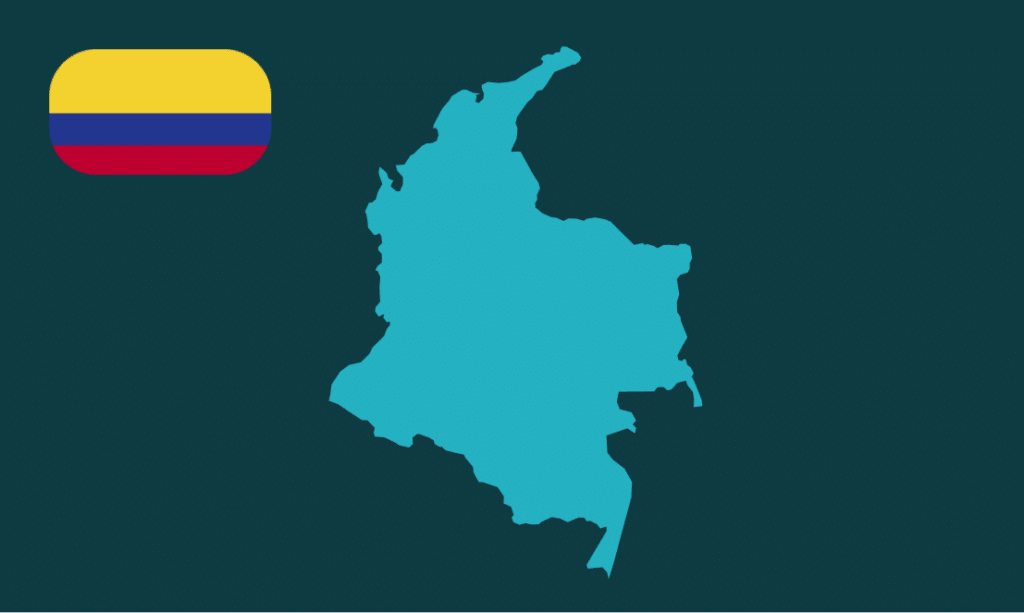
Colombia will hold presidential elections on 31 May, with a second round scheduled for 21 June if no candidate wins an absolute majority. The country underwent radical change during the 2022 elections in which left-wing leader Gustavo Petro came to power backed by the Historic Pact coalition. Four years later, President Petro is constitutionally barred from seeking a second consecutive term, with his legacy resting on the shoulders of left-wing candidate Iván Cepeda against right-wing candidate Abelardo De La Espriella and centrist candidate Sergio Fajardo.
Backdrop
The presidential elections will mark either the end or continuation of the so-called ‘Petrismo’ project, based on economic redistribution, environmentalism and energy transition. The country experienced major political instability and a polarised society following the 2022 presidential elections. Critics have pointed to embezzlement scandals and a prolonged reorganisation of the presidential cabinet, as well as the government’s lack of a majority in Congress. They have also highlighted the failure to implement the ‘Total Peace’ plan, with little to no progress in negotiations with the National Liberation Army (ELN), dissidents from the former Revolutionary Armed Forces of Colombia (FARC) or the Gulf Clan.
Colombia has continued efforts to tackle its security crises and the rise of political violence, including the assassination of senator and presidential candidate Miguel Uribe Turbay in June 2025. The elections have raised concerns among experts about the potential for violence in areas deemed strongholds for armed groups, including 170 municipalities across Arauca, Antioquía, Bolívar, Cauca and other departments. Government officials have claimed that the elections will take place peacefully, with 200,000 officers deployed nationwide to bolster surveillance and enforcement efforts. However, structural violence, combined with a highly polarised society and misinformation, will complicate the elections further. There is a high risk of violence and electoral fraud.
Projected outcome and political implications
Due to Cepeda’s exclusion from the 8 March inter-party consultation, there is no guarantee that his campaign will enter the 31 May presidential elections with the same organisational strength or momentum as those of Abelardo De La Espriella or Sergio Fajardo. This raises the prospect of a fragmented and weakened left-wing, potentially leaving Cepeda excluded from a possible run-off.
A final contest between either Cepeda and one of the two right-wing candidates or between De La Espriella and Fajardo could see another radical turn in Colombian politics, one towards much more conservative policies.