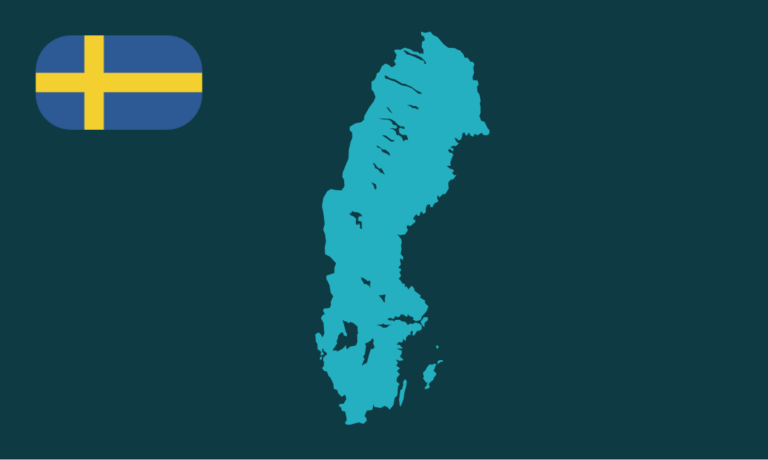
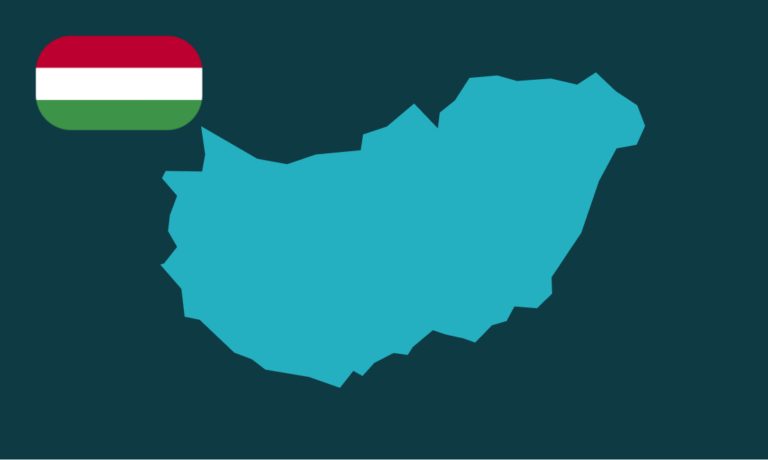
In 2026, Bulgaria, Hungary and Sweden have faced or will face pivotal parliamentary elections with significant national and regional implications. Elections in Bulgaria and Hungary took place in April and produced major political shifts, while Sweden is scheduled to vote on 13 September.
.
In Bulgaria, former president Rumen Radev’s newly formed Progressive Bulgaria coalition won an outright majority in the 19 April snap election, ending years of political fragmentation and bringing a more consolidated style of leadership. In Hungary, the 12 April election ended Viktor Orbán’s 16-year tenure, with Péter Magyar’s Tisza Party securing a decisive victory on a platform of political and economic reform.
Sweden’s election is expected to be closely contested, with the centre-left Social Democrats leading the polls against a fragile centre-right coalition supported by the Sweden Democrats. Key issues include the economy, migration and law and order.
Together, these elections reflect broader political realignments across Europe and the continuing challenge of balancing political stability, economic performance and public trust.