Safety

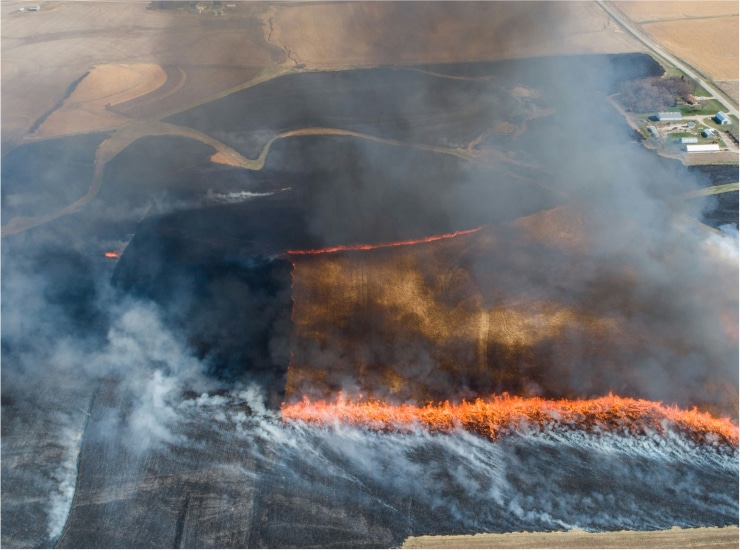
Wildfires are a growing hazard in many regions, with their speed and unpredictability often exacerbated by dry, windy conditions. To protect communities and visitors, local authorities may issue pre-emptive emergency declarations, allowing them to deploy resources swiftly to areas at risk.

Travellers heading to wildfire-prone locations are advised to stay updated with local news, official alerts and advice from authorities. This way, they remain informed of any developing threats or evacuation orders.

Evacuation advisories are usually issued several hours before a wildfire approaches populated areas. However, fires can escalate rapidly, leaving little time to act. In some cases, urgent warnings may mean it is safer to shelter in place rather than attempt to evacuate. Visitors should closely follow designated evacuation routes and consider leaving early, especially if they belong to vulnerable groups such as children, the elderly or those with medical conditions. Signing up for government emergency alerts and using real-time wildfire information apps can prove invaluable in such situations.

Preparation is essential to ensuring safety during wildfire events. Travellers should familiarise themselves with local evacuation plans. They should also pack an emergency kit containing essentials like water, non-perishable food, face masks and first aid supplies. Accommodations in wildfire-prone areas should have smoke and heat detectors, while visitors ought to carry reliable communication devices and protective equipment. Recognising the signs of wildfire smoke and understanding its behaviour can be crucial to making informed, timely decisions that could save lives.
EURO

Emergency Safety Directives

Pre-emptive local emergency declarations are common in regions prone to widespread wildfires each year. These declarations enable authorities to mobilise and deploy security and financial resources quickly to affected areas. Travellers heading to wildfire-prone regions should stay informed by monitoring local news, alert systems and updates from relevant authorities to keep track of such declarations.

Evacuation advisories are usually issued several hours before a dangerous wildfire is expected to reach populated areas. However, wildfires can spread unpredictably, especially under erratic, windy and dry conditions. This means a situation can rapidly escalate from an advisory to a warning or urgent evacuation. If a wildfire threatens your area, it is safest to stay indoors, keep a safe distance from the blaze and limit smoke exposure by closing all windows and doors.

In some cases, when a warning is issued, it may be too late to evacuate and sheltering in place becomes necessary. If you cannot leave during a wildfire emergency, seek shelter in a room on the side of the house opposite the approaching fire, ideally one with a clear exit. Keep windows and doors closed and turn off air conditioning to prevent smoke from entering.

Visitors and residents are advised to follow official evacuation routes and opt for voluntary evacuations as early as possible, before the situation worsens to a warning level. Those at higher risk, including individuals with medical conditions, elderly people, children and those with disabilities, should prioritise leaving early.

To stay well-informed, monitor local media, weather forecasts and wildfire updates regularly. Sign up for free government emergency alerts and consider using smartphone apps that provide real-time wildfire information, evacuation routes and safety tips.

Preparing for the Risk of Wildfire

Being prepared and well-informed can help you make the right decisions and stay safe during a wildfire while travelling. It’s important to pack a backpack with essentials well in advance of any potential evacuation. This should include non-perishable food, water, torches with spare batteries, face masks and a first aid kit containing plasters, antiseptics, burn ointments, medicines and a thermal blanket – enough supplies to last at least 72 hours. Don’t forget to include important identity and travel documents such as your passport.

Take the time to familiarise yourself with escape routes and evacuation plans for the area you are visiting. Before venturing into forested or wildfire-prone areas, consider attending safety briefings or workshops on wildfire awareness and prevention.

Store valuables like cash, jewellery, electronics and crucial documents in a fire-resistant bag or a waterproof container to protect them from damage.

Additional preparations include following some basic wildfire safety tips, such as the following:
Smoke and heat detectors

If you are staying in an area prone to wildfires, ensure that your accommodation has smoke and heat detectors to detect fires early.

Be aware of local surveillance systems or community-based alert systems that can notify you of nearby wildfires. Have a battery-powered radio.

Carry a reliable mobile phone with a strong signal and consider bringing a portable charger or extra battery to keep your device powered.

Always have a portable fire extinguisher in your vehicle or accommodation.

Consider carrying a fire-resistant blanket or clothing to protect yourself from heat, flames and ash, as well as N95 masks for smoke and fine particles.

Carry a physical map of the area with clearly marked evacuation routes and predetermined meeting points in case of separation during an emergency.

Travellers in wildfire-prone areas should monitor local news, follow evacuation maps and leave early if at higher risk — don’t wait for a warning to act.

Identifying and Avoiding Wildfire Smoke

When encountering wildfire smoke, there’s no need to panic immediately, as smoke and ash can travel from fires far away. Understanding the colour and behaviour of smoke can help you assess your situation and take the right steps to stay safe. A large smoke column usually signals a major fire, while the direction of the column indicates where the fire is moving. It’s important to move in the opposite direction, away from the flames.

Smoke levels can change rapidly throughout the day. Valleys may appear smokier in the morning because smoke settles into low-lying areas overnight. An atmosphere tinged with yellowish-orange to red hues is a warning sign. It’s time to leave, as the air quality is quickly becoming hazardous. White smoke often comes from fast-burning fuels like grass, while dark smoke typically means a longer-lasting fire involving thick brush or timber. Dark smoke also signals a risk of embers jumping firebreaks or roads, potentially igniting new fires ahead.

When escaping smoke or fire, it’s best to rest when the smoke is thickest and move when it clears. However, if you are suddenly ‘smoked out’ or see dry lightning, you should move immediately. If caught in a fire, seek shelter, cover your head and body, and stay close to the ground, breathing through a wet cloth if possible.

Remember that fires move uphill faster than downhill. Wide, flat areas with little vegetation are safer because there is less fuel to feed the fire. Paved, gravel, or dirt roads, as well as already-burned areas, also offer safer routes—though be cautious of hot ash pockets and ground heat, which can damage vehicles. Crossing waterways can be unpredictable, but wet areas and small streams without electrical hazards may provide safe escape routes. If evacuating by water, ensure evacuation boats or craft are available so you’re not trapped between fire and water.

Contributors:

Avantika Deb, Bumjoon Park, Eeva Ruuska, Marco Tulio Lara, Nikita Billier and Ramya Dilipkumar

Editor:

Paul Mutter, Global Coverage Manager at Riskline

Share

Destination Research

Destination risk, safety & travel reports

Travel Search

Visa, health, safety & documention

TripReady

Pre-travel security & travel safety advisories

Realtime Alerts

Breaking on-site travel risk updates 24/7

Travel and Tech Data

Data to improve user satisfaction

Technology Solutions

APIs, widgets and portal

The Informer

Articles, news and product updates

Newsroom

The latest developments at Riskline

Forecast

Explore key global risks for 2025

Reports

In-depth content on relevant topics

Download the PDF