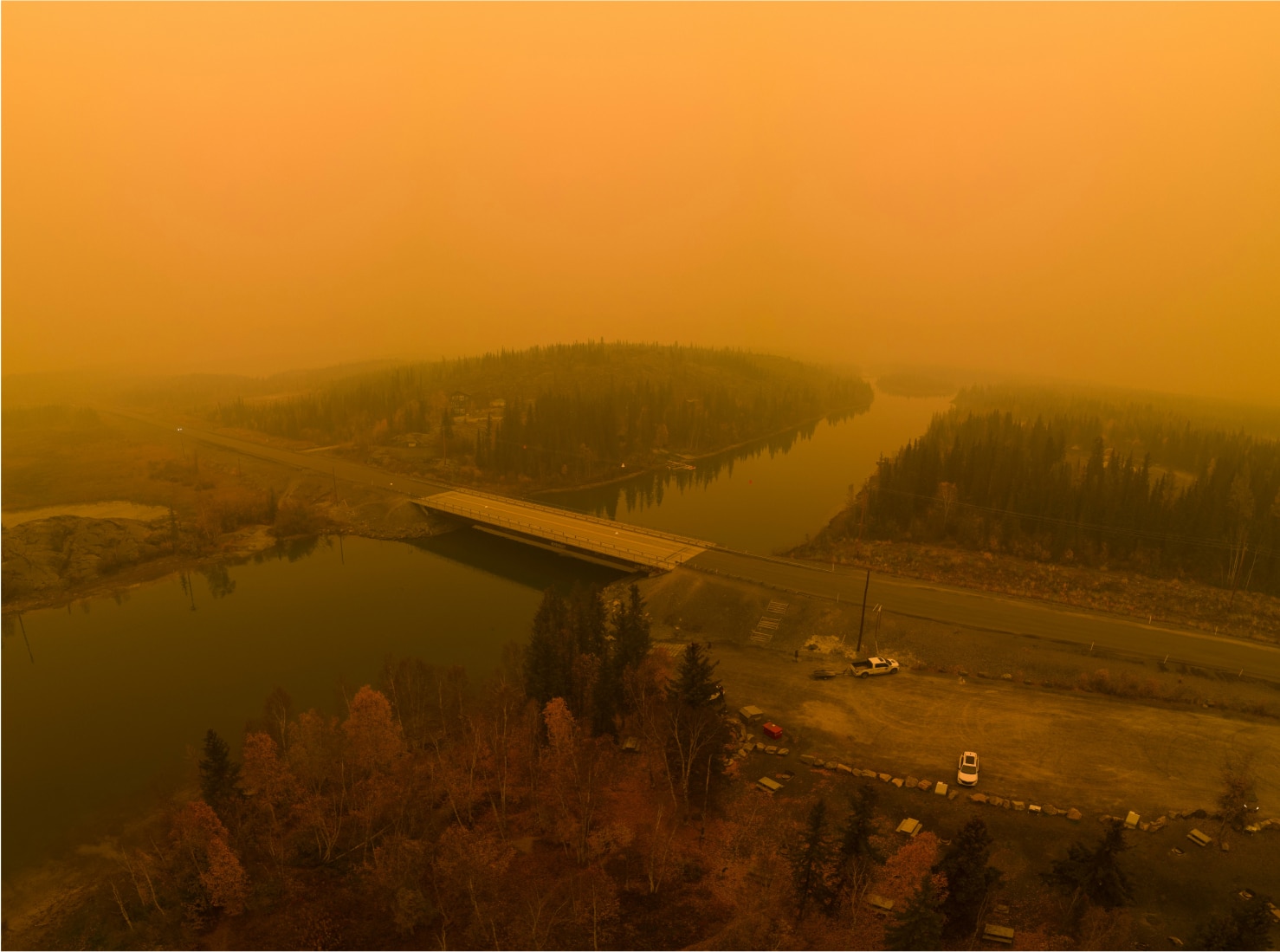
Wildfires Health: Wildfires often coincide with heatwaves. This increases the risk of dehydration, heat exhaustion and heatstroke, particularly affecting those with pre-existing heart, lung or kidney problems.
Smoke from wildfires is a major health concern, carrying fine particulate matter and harmful gases. These gases can travel great distances and linger in the air for days. Breathing in this polluted air can irritate the eyes, nose and throat, worsen respiratory illnesses such as asthma, and raise the risk of cardiovascular problems. Vulnerable groups, including children, the elderly, pregnant women and those with chronic conditions, are especially at risk and should take precautions to reduce exposure.
The impact extends to mental health as well. The trauma and stress of such events can trigger anxiety, persistent worry, sleep difficulties and depression-like symptoms. It is vital to address these effects alongside physical injuries. People affected are encouraged to seek support from family, friends or healthcare professionals once they are safe.