Safety

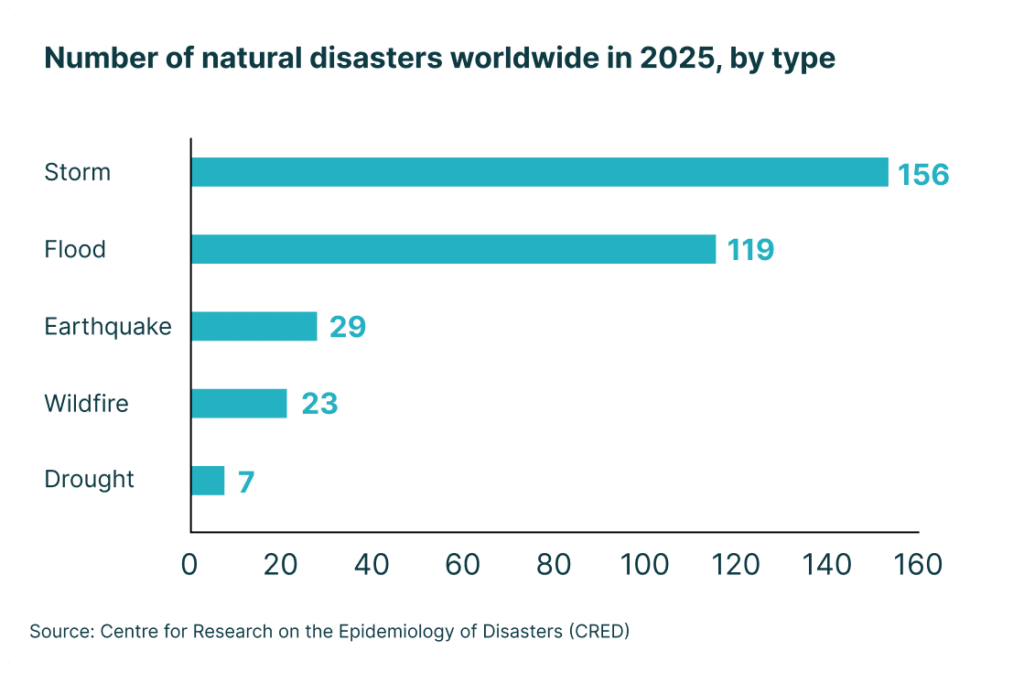
Flooding remains one of the most frequent natural disasters worldwide, posing significant risks to travellers and local communities. According to the Centre for Research on the Epidemiology of Disasters (CRED), 119 flood disasters were recorded globally in 2025, making flooding the second most frequently reported disaster type after storms (156).

Published: 13 July

By comparison, 29 earthquakes, 23 wildfires and seven droughts were recorded during the same period. These figures highlight the importance of understanding flood risks and preparing for potential disruptions, particularly when travelling to vulnerable regions.

Travellers should regularly monitor official flood warnings, weather forecasts and local media, especially before and during trips to flood-prone destinations. Where possible, accommodation should be selected outside areas at high risk of flooding, and alternative routes should be identified in advance. 

Travellers should also prepare essential supplies, including drinking water, non-perishable food, medication, a flashlight and a portable charger, sufficient to last at least 72 hours. As flooding can develop rapidly, leaving limited time to respond, travellers should familiarise themselves with local evacuation procedures and identify safe locations beforehand. Those at greater risk should consider evacuating early when conditions deteriorate or authorities issue warnings.
EURO

During a flooding event

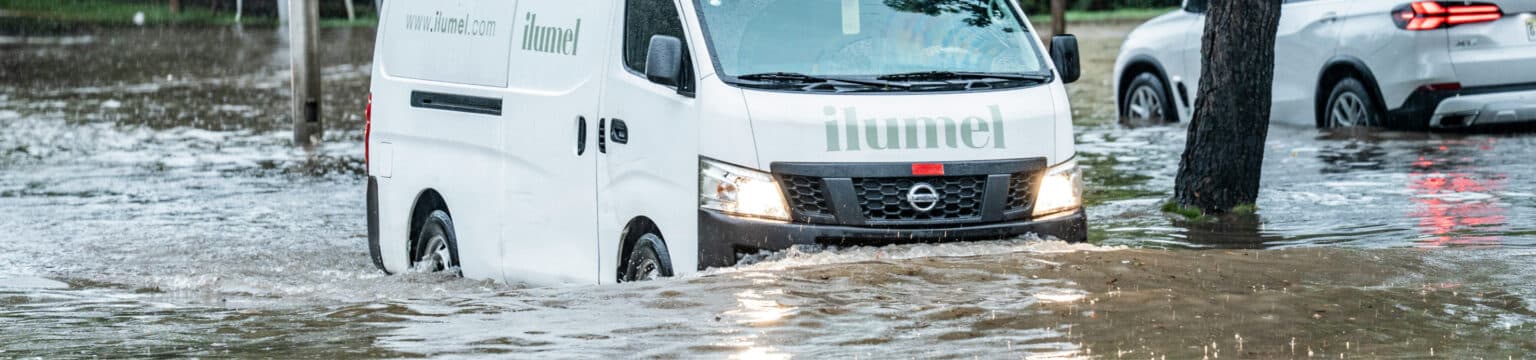
Travellers should never attempt to walk or drive through floodwaters, as even shallow water can conceal strong currents, debris and damaged infrastructure. If floodwaters rise around a vehicle, occupants should move to higher ground if it is safe to do so. Travellers should follow official emergency instructions and evacuate immediately when directed by local authorities. If evacuation routes become inaccessible, they should seek higher ground or move to the highest safe level of a sturdy building, avoiding basements and underground areas. Continuing to monitor official updates is essential, as flood conditions and evacuation instructions may change rapidly.


Flooding remains one of the most frequent natural disasters worldwide, posing significant risks to travellers and local communities.

Preparing for Floods

Being prepared in advance can help reduce disruption and improve personal safety during a flood while travelling. Before departure, check whether your destination is prone to flooding and identify suitable accommodation outside high-risk areas where possible.

Prepare an emergency backpack with essential supplies to last at least 72 hours. This should include non-perishable food, drinking water, torches with spare batteries, a first-aid kit, essential medicines, a thermal blanket, waterproof clothing and basic hygiene items. Keep identification and travel documents, including passports, in waterproof bags or containers.

If travelling by car, ensure the vehicle is adequately fuelled and consider keeping essential supplies in the vehicle. Store valuables, electronics and important documents above potential flood levels where possible.

Before travelling, identify alternative transport routes and accommodation options in case your original plans are disrupted. Keep a reliable mobile phone and portable charger readily available, and ensure emergency contact details are accessible offline.

How to Act in a Flood

Avoid flooded roads, bridges and waterways, and never attempt to cross floodwater on foot or by vehicle, as water depth and currents can be difficult to assess. Even relatively shallow floods can pose electrocution risks. If floodwaters rise around your vehicle, move to higher ground if it is safe to do so. If the vehicle is trapped in rapidly moving water, remain inside and call for help. If water rises inside the vehicle, climb onto the roof and signal for assistance. Promptly follow all official emergency directives, including evacuation orders. If travel to an evacuation area is no longer possible, move to higher ground or the highest safe level of a sturdy building, avoiding basements and underground areas.

Flooding can lead to power outages. Use flashlights rather than candles, which can cause fires. Turn off or disconnect electrical appliances and equipment if it is safe to do so. Never touch electrical equipment or switches while standing in water. Avoid consuming perishable food that has not been kept adequately refrigerated during power outages, as it may become unsafe to eat.

Prolonged heavy rainfall can trigger landslides. Watch for warning signs, including cracks or bulges in the soil and faint rumbling sounds, and avoid hilly or sloped areas if possible. Landslides and glacial collapses into waterways can also suddenly raise water levels and trigger downstream flooding.

When stranded in a flood, immediately contact the local emergency number and seek assistance. Keep at least one communication device powered on to communicate with emergency responders, conserving its battery by avoiding non-essential use. When possible, help rescuers locate you with flashlights and whistles.

Emergency Safety Directives

Pre-emptive local emergency declarations may be issued in areas at risk of widespread or severe flooding. These declarations enable authorities to mobilise and deploy emergency services and resources. Travellers in flood-prone regions should monitor local news, alert systems, weather forecasts and updates from relevant authorities to stay informed about such declarations. 

Flood warnings and evacuation advisories may be issued when rising water levels or flash floods threaten populated areas. However, flooding can develop rapidly, leaving little time to evacuate. Travellers should follow official evacuation orders promptly and consider leaving voluntarily if conditions begin to deteriorate. Individuals at higher risk, such as older adults, children, pregnant women, people with medical conditions and those with disabilities, should prioritise early evacuation.

Monitor official flood warnings and local media regularly. Sign up for government emergency alerts and use official apps or services providing real-time flood information, evacuation routes and safety guidance.

Contributors:

Bumjoon Park, Nikita Billier

Editor:

Paul Mutter

Share

Destination Research

Destination risk, safety & travel reports

Travel Search

Visa, health, safety & documentation

TripReady

Pre-travel security & travel safety advisories

Realtime Alerts

Breaking on-site travel risk updates 24/7

Travel and Tech Data

Data to improve user satisfaction

Technology Solutions

APIs, widgets and portal

The Informer

Articles, news and product updates

Newsroom

The latest developments at Riskline

Resources

In-depth content on relevant topics

Thank you!

You are now subscribed to the Riskline Informer. 

Read the latest article now

Download the PDF