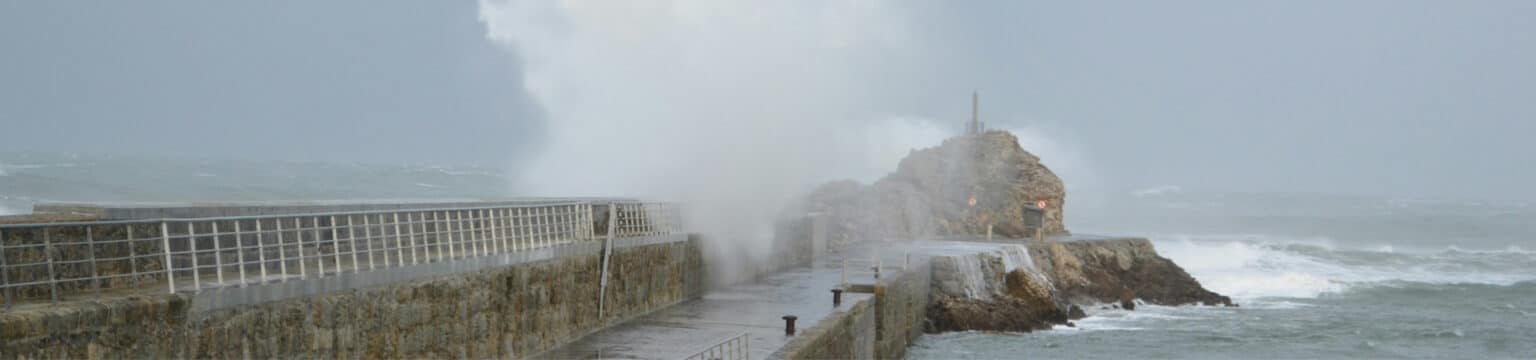
Travellers should have a comprehensive safety plan in place before the arrival of a tropical cyclone. Monitor the situation well in advance and establish appropriate emergency plans to ensure your safety and well-being.
Published: 13 July
Tropical Cyclone Travel Safety Guide: Travellers are advised to monitor official meteorological websites, government directives and local media channels to stay updated on tropical cyclone information, especially since the system may rapidly intensify and unpredictably change directions. Understanding the various classifications and warning levels used in weather advisories is important.
The next step is to stay prepared to execute any directive from officials, such as evacuating or sheltering in place. Travellers should be ready with an emergency kit and follow safety procedures promptly. They should also identify potential disruptions to travel and services in advance and remain prepared for storm-related hazards, such as wind damage, flooding and health risks.
EURO
EMEA
SSA
MENA
APAC
AMER
Emergency Safety Directives
The foremost step to ensure safety during tropical cyclones is to understand and follow guidelines from weather officials. Travellers should study the different aspects of relevant advisories or warnings, such as the intensity of winds, forecast track and impact area. Additionally, it is important to continuously monitor local weather bulletins, as they may change quickly due to the unpredictable nature of weather systems.
Another essential aspect of staying informed is to follow directives from local government officials. Pre-emptive local emergency orders are likely in regions frequently impacted by tropical cyclones. Evacuation warnings are usually issued at least several hours or even days in advance. Visitors are strongly encouraged to familiarise themselves with evacuation maps and consider voluntary evacuation if feasible. Those staying in mobile homes, other temporary housing units or flood-prone coastal areas are advised to evacuate in advance if the area is under threat.
Tropical cyclones can bring destructive winds, torrential rainfall, storm surges and severe flooding, even if they weaken ahead of landfall. Similar dangerous weather conditions, and even tornadoes, can occur far inland from where a tropical cyclone makes landfall. In some cases, it may be unsafe to evacuate, and people may be required to stay in place until the storm subsides.
Travellers should register for free government emergency alerts and use mobile phone applications that provide real-time storm tracking, evacuation routes and safety guidelines. They should familiarise themselves with emergency procedures specific to the destination, since evacuation protocols can vary. Hotels often provide evacuation guidance, including designated shelters and transportation options. Travellers should take note of their hotel’s emergency exits, as well as the location of the nearest embassy or consulate and emergency shelter.
Personal Preparedness
Emergency kit
Prepare an emergency kit with essentials such as water, nutritious snacks, a torch, spare batteries, a power bank, essential medications, a first aid kit and copies of important documents. It’s also advisable to carry cash and have backup travel plans in place.
Safety procedures
Familiarise yourself with local evacuation routes and procedures. Opt for weather-resistant accommodation with strong emergency protocols. Upon arrival, review the hotel’s safety procedures and the locations of designated shelter areas. Choose hotels with reinforced infrastructure, reliable emergency protocols and backup power systems.
Safe areas
If you are unable to evacuate to a shelter during a tropical cyclone, stay indoors in a small interior room, closet or hallway on the lowest level of the building, or lie under a table or another sturdy object. Stay away from windows and glass doors. Secure all external doors. Keep curtains, blinds closed and all interior doors closed.
Emergency contacts
Know how to contact local emergency services and prepare for potential power outages or transport disruptions. Keep a list of emergency contacts, both local and from your organisation, handy. It is advisable to keep your contacts informed of your movement and plans in advance.
Weather monitoring systems
Keep track of tropical cyclone updates through dedicated weather apps, local news sources or hotel alerts.
Communication essentials
Ensure your phone is fully charged, carry a backup power source and consider alternative communication methods such as satellite phones or messaging apps with offline capabilities.
Protective equipment
Use waterproof storage for important items and pack weather-appropriate gear, including rain-resistant clothing, to stay dry and protected in adverse conditions.
The foremost step to ensure safety during tropical cyclones is to understand and follow guidelines from weather officials. Travellers should study the different aspects of relevant advisories or warnings, such as the intensity of winds, forecast track and impact area.
Avoiding Tropical Storm-Related Risks
When a tropical cyclone hits, it is accompanied by various environmental hazards that can pose serious risks to safety. Identifying these hazards is crucial for safeguarding your well-being and ensuring a prompt response.
Strong winds: Strong winds regularly accompany tropical cyclones, ranging in intensity. Meteorological websites in countries with advanced tropical cyclone monitoring systems, such as the US National Weather Service (NWS) and Australia’s Bureau of Meteorology, provide a wind scale that helps people assess the strength of winds and associated risks. For instance, the NWS categorises winds on a scale from 0 to 12, with ‘Hurricane Force’ winds at the highest level, capable of causing severe and widespread damage. During a windstorm, the safest course of action is to take shelter inside a sturdy building, staying in an interior room or cellar, away from windows.
Tornadoes: Tornadoes can sometimes accompany torrential rainfall and strong winds churned up during a tropical cyclone or even a weaker tropical storm. Signs of a tornado include a rotating, funnel-shaped cloud, an approaching cloud of debris or a loud roar like a freight train. Lightning and hail are common in thunderstorms that produce tornadoes. Seek shelter away from windows in the interior part of a basement. In the absence of a basement, move to an interior, windowless room on the lowest floor (such as a hallway, bathroom or closet). Flying debris causes most deaths and injuries during a tornado. An exploding window can injure or kill. For added protection, cover your body with a blanket and take cover under a heavy table or workbench.
Fallen debris and disrupted services: Fallen trees, broken glass and other debris create additional hazards. Shops and eateries may shut down due to turbulent weather. Corporate travellers should also comply with company protocols regarding emergency evacuations and stay informed through updates from travel risk management providers.
Flooding: Flooding is one of the most common impacts of a tropical storm. Stay aware of your surroundings and be mindful of nearby bodies of water. Watch for rapidly rising water levels. If the water appears dark or brownish, it may be mixed with mud. Floodwaters can carry debris, which further complicates the situation.
Downed electrical wires and hazardous materials: In the immediate aftermath of a storm, downed electrical wires can electrify bodies of water, posing significant risks during clean-up and rescue efforts. Additionally, floodwaters may conceal sharp metal objects and other debris, making it crucial to carefully inspect flooded areas.
Wildlife encounters: Flooding may force aquatic mammals and reptiles into populated areas, which may increase the risk of injury. Exercise caution when navigating flooded zones, as animals may be disoriented and potentially dangerous.
Landslides: Landslides are more likely following a tropical cyclone due to the oversaturation of soil. Those in hilly or mountainous regions should watch for warning signs such as cracks or bulges in the ground or the faint sound of an approaching debris flow. Due to their unpredictable nature, travellers should avoid these areas and consider leaving in advance of the storm.