Health

While devastating in their immediate impact, hurricanes, cyclones and typhoons also bring a wide range of health risks that can affect both travellers and local populations.

Health risk mitigation should begin before departure, with travellers ensuring they are up to date on vaccinations, familiarising themselves with destination-specific health concerns and ensuring access to essential medications.

Once a tropical storm hits, the primary effects can be catastrophic, ranging from physical injuries to waterborne diseases. The aftermath can also lead to increased stress, anxiety and mental health challenges. Being aware of these potential health impacts—both physical and psychological—helps travellers avoid unnecessary risks.

Secondary health effects may persist for months. Following a tropical cyclone, conditions such as malaria, dengue fever and cholera may become more prevalent, while inadequate sanitation and overcrowded shelters can further exacerbate outbreaks. Prolonged exposure to damp conditions from water-damaged buildings can lead to respiratory issues, including asthma.
health risks tropical storms
EURO
health: vaccine

Health Risk Mitigation

Mitigating health risks is a crucial aspect of pre-travel preparation. It involves acknowledging potential threats and taking proactive measures to stay protected. Travellers should undergo a pre-travel medical examination to ensure they are up to date with all routine vaccinations and any destination-specific immunisations, ideally at least four to six weeks before departure. Health assessments should also consider mental wellbeing, as stress, anxiety and other mental health challenges can be intensified in unfamiliar environments.

How Can Travellers Best Prepare?

Check health requirements and be aware of health risks

Ensure all travellers review any destination-specific health document requirements well in advance.

Provide information on potential health risks at their destination, including preventive measures and guidance on what to do in case of illness. Diseases such as malaria, dengue fever and other vector-borne illnesses are common in many regions, so appropriate precautions—such as vaccinations, mosquito repellents and protective clothing—should be taken.

Confirm whether essential medicines are available over the counter, require a prescription or are restricted at the destination to avoid any last-minute issues. Travelling with chronic conditions such as diabetes, asthma or heart disease may require additional planning.

Encourage travellers to carry a copy of their vaccination records to facilitate access to healthcare if needed. Keep a list of emergency contacts, including local healthcare facilities and pharmacies.

Ensure travellers carry prescription medications and essential health supplies, particularly those that may be difficult to source at the destination.

Comprehensive travel health insurance, covering medical emergencies and potential evacuation, should be arranged before departure.

In some regions, advanced healthcare may not be accessible outside major cities. Plan accordingly for emergency care if necessary.

Ensure that travellers have a clear contingency plan in place for unexpected situations, including health emergencies, flight disruptions, or border closures due to disease outbreaks.


Track travel health notices from organisations such as WHO, US CDC, the UK NaTHNaC’s TravelHealthPro, Australia’s SmartTraveller and Canada’s PHAC.

Stay informed with mobile applications such as the US State Department’s Smart Traveler for real-time alerts.


Acronyms:

  • Centers for Disease Control and Prevention (CDC)
  • National Travel Health Network and Centre (NaTHNaC)
  • Public Health Agency of Canada (PHAC)
  • World Health Organisation (WHO)

Reinforce the importance of proper hand hygiene, sanitation, and respiratory etiquette.

Advise travellers to be mindful of foodborne illnesses in regions with lower food safety standards. Produce should be thoroughly washed and warnings about consuming tap water must be followed.

Primary Health Effects

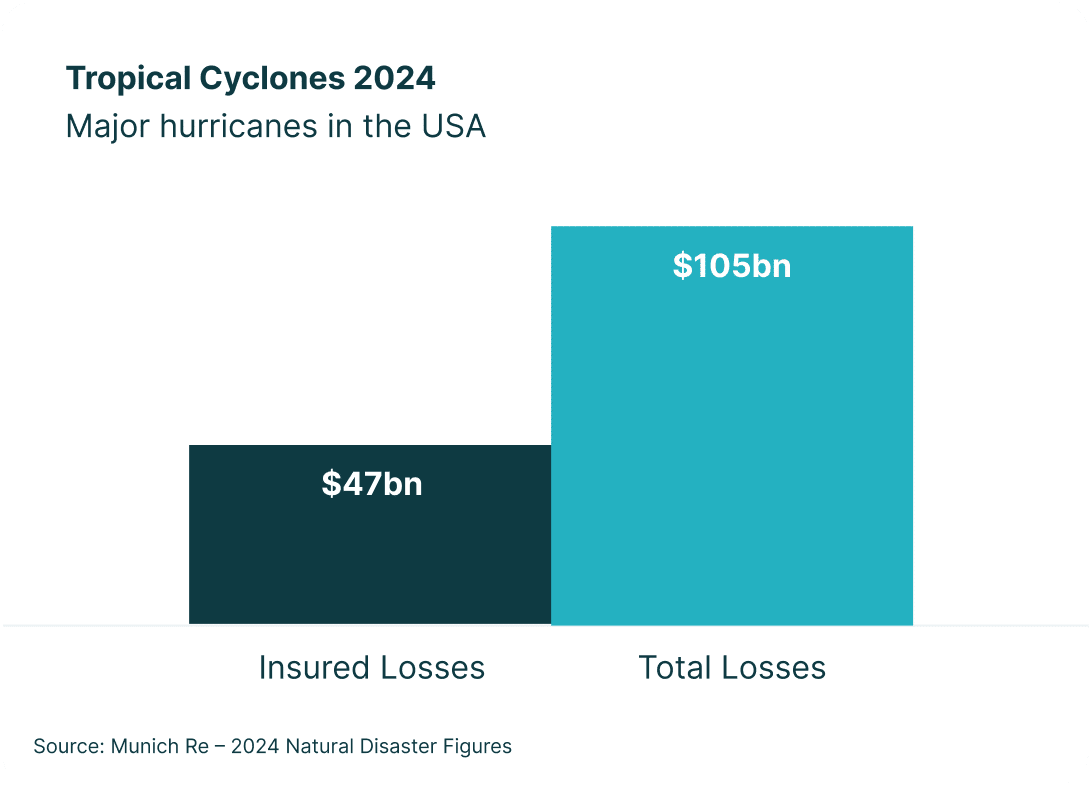
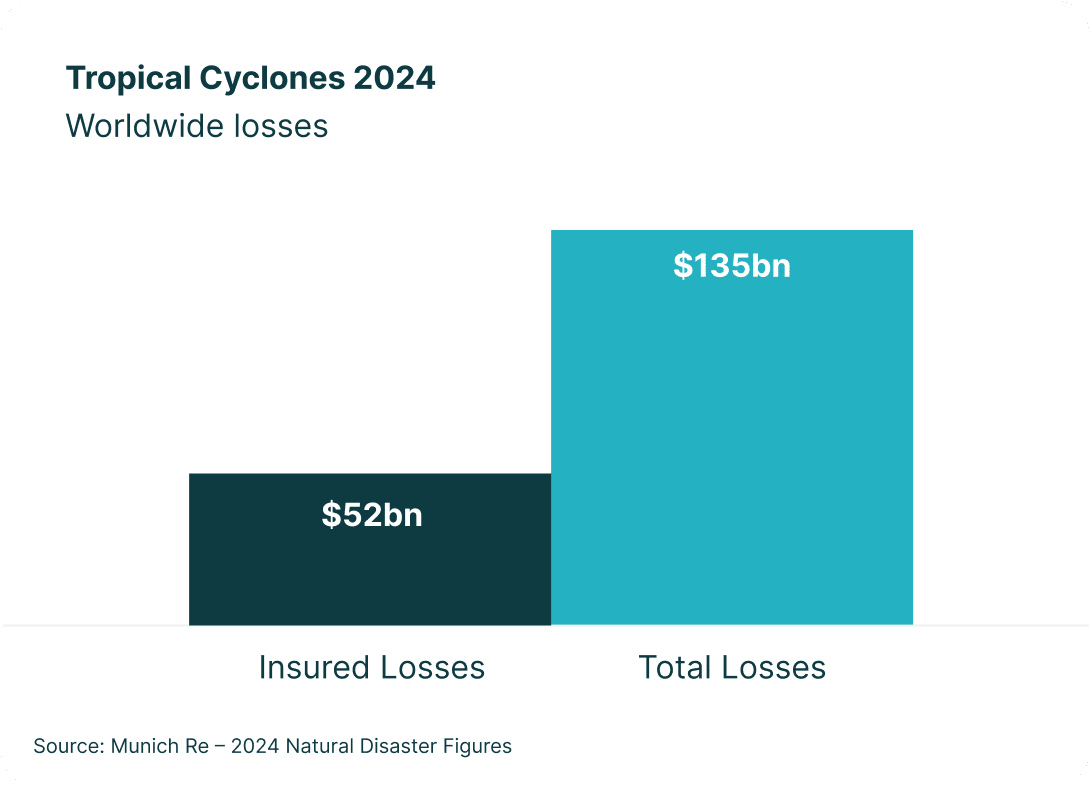
Each year, tropical cyclones cause thousands of deaths and significant damage to property and infrastructure. The WMO indicates that tropical cyclones were the leading cause of both reported human and economic losses between 1970 and 2021. Some 38 per cent of the two million reported deaths from natural disasters in the same period were caused by tropical cyclones. Over 90 percent of fatalities occurred in developing countries. While mortality rates have fallen thanks to early warning systems, reported economic losses are rising due to the increasing frequency and intensity of storms and expansion of settlement in areas most at risk of storm damage.

According to the WHO, the health impacts of tropical cyclones depend on the number of people living in low-lying coastal areas in the storm’s path, the state of infrastructure and whether there is sufficient time for warning and evacuation. While the latter has improved, there is a growing risk of storms striking areas that have historically been spared the breadth and intensity of past impacts. Major storms hitting the US in recent years have caught residents unprepared and severely damaged infrastructure not built to withstand them.

Tropical cyclones can affect the health and wellbeing of individuals and can have catastrophic impacts on healthcare systems. Primary health impacts include a wide range of health effects, such as physical trauma caused by strong winds, debris, landslides and storm surges, or drowning in floods caused by storm surge or extreme rainfall. Additionally, flood waters may contain sewage and chemicals, sharp objects and electrical lines, or host dangerous wildlife, all of which can cause infections, waterborne diseases, electrocution and other physical injuries. 

Emergency situations are also associated with increasing mental health effects, such as stress, anxiety, depression and post-traumatic stress disorder (PTSD). Hostility to outsiders and looting may also occur in disaster areas. Travellers are at risk of being targeted for theft as well as possible detention by the authorities for not possessing residency, violating curfew or obtaining a permit to travel to the location. Monitoring local media and law enforcement bulletins will help travellers stay up to date with the latest developments. Such updates are often published on the social media pages of relevant agencies or accessed via an official application.

Acronyms:

  • Post-Traumatic Stress Disorder (PTSD)
  • World Meteorological Organisation (WMO)
  • World Health Organisation (WHO)
Emergency situations are also associated with increasing mental health effects, such as stress, anxiety, depression and post-traumatic stress disorder (PTSD). Hostility to outsiders and looting may also occur in disaster areas.

Secondary Health Effects

The health implications of tropical cyclones are often exacerbated by damage to critical infrastructure. Disruptions to power supplies and damage to roads inhibit emergency responses, while physical destruction of medical facilities can vastly restrict healthcare capabilities. Consequently, tropical cyclones may prompt an increase in all-cause mortality as general support and medical services are weakened.

Tropical cyclones can also trigger food insecurity through immediate damage to agriculture and fishing infrastructure, and long-term damage to local biodiversity. This poses a particular threat to developing countries, where food insecurity may often be a pre-existing issue and rebuilding efforts are heavily reliant on international aid.

The residual effects of tropical cyclones often increase the spread of infectious diseases for months after their initial impact. Across tropical countries, receding floodwaters may provide fertile breeding grounds for mosquitoes, fuelling the spread of malaria, dengue fever and Japanese encephalitis (JEV). Simultaneously, the destruction of local food and water supplies facilitates the spread of infectious diseases like cholera, impetigo and leptospirosis. Mass displacements due to residential damage also result in overcrowded emergency shelters, which allow diseases to thrive.

Even after the complete passage of tropical cyclones, water-damaged buildings pose a lingering health hazard to occupants due to an increase in mould spores stemming from excessive dampness. Such conditions can result in the development and exacerbation of respiratory complications, including asthma. As persistent mould is more likely to plague older and less developed properties, excessive dampness presents a greater risk to poorer communities. Travellers should check the history of any long-term accommodation for past storm damage and repairs. Landlords should be prepared to provide this information upon request. 


chart-cyclones-global

Contributors:

Eeva Ruuska and Ryan Rogers

Editor:

Paul Mutter, Global Coverage Manager at Riskline

Share

Destination Research

Destination risk, safety & travel reports

Travel Search

Visa, health, safety & documentation

TripReady

Pre-travel security & travel safety advisories

Realtime Alerts

Breaking on-site travel risk updates 24/7

Visa Check Beta Tool

Instant, accurate visa rules for 220+ countries

Travel and Tech Data

Data to improve user satisfaction

Technology Solutions

APIs, widgets and portal

The Informer

Articles, news and product updates

Newsroom

The latest developments at Riskline

Resources

In-depth content on relevant topics

Download the PDF