Contributions by Avantika Deb, Bumjoon Park and Claudia Gualdi
Air travel disruptions remain one of the most frequent challenges for travellers worldwide. They are often the culmination of crises unfolding over days, weeks or even months. Analysis of Riskline alert data reveals that natural disasters, geopolitical conflicts and social unrest increasingly ripple into the aviation sector, driving airline irregular operations (IROPs).
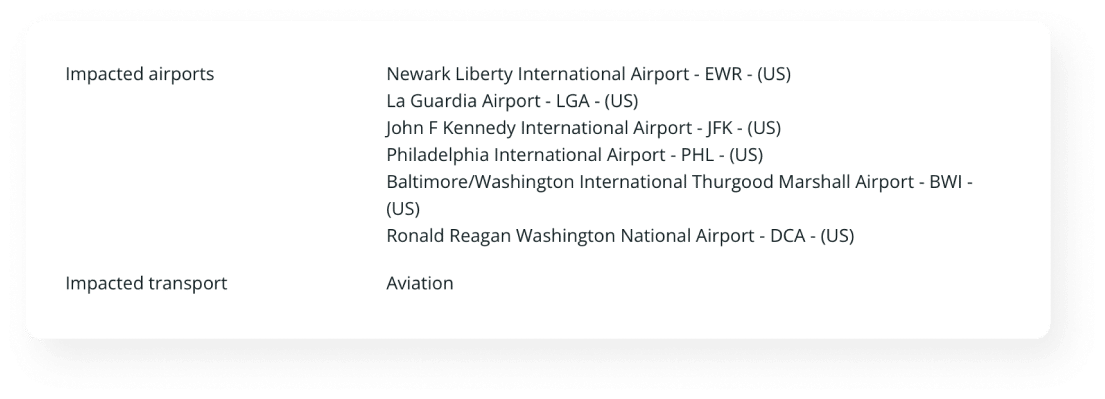
Our Alerts frequently reference airports and airlines, providing essential details such as airport names, IATA codes, locations and the reasons behind disruptions. This enables clients to quickly understand whether delays, cancellations or diversions affect their specific travel plans.
Alerts draw on both local sources and official aviation authorities, with analysts working to include as much verified detail as possible in each notification. For example, where available, we highlight the scale of the disruption, such as delays exceeding two hours or widespread cancellations.
Root causes of air travel disruptions
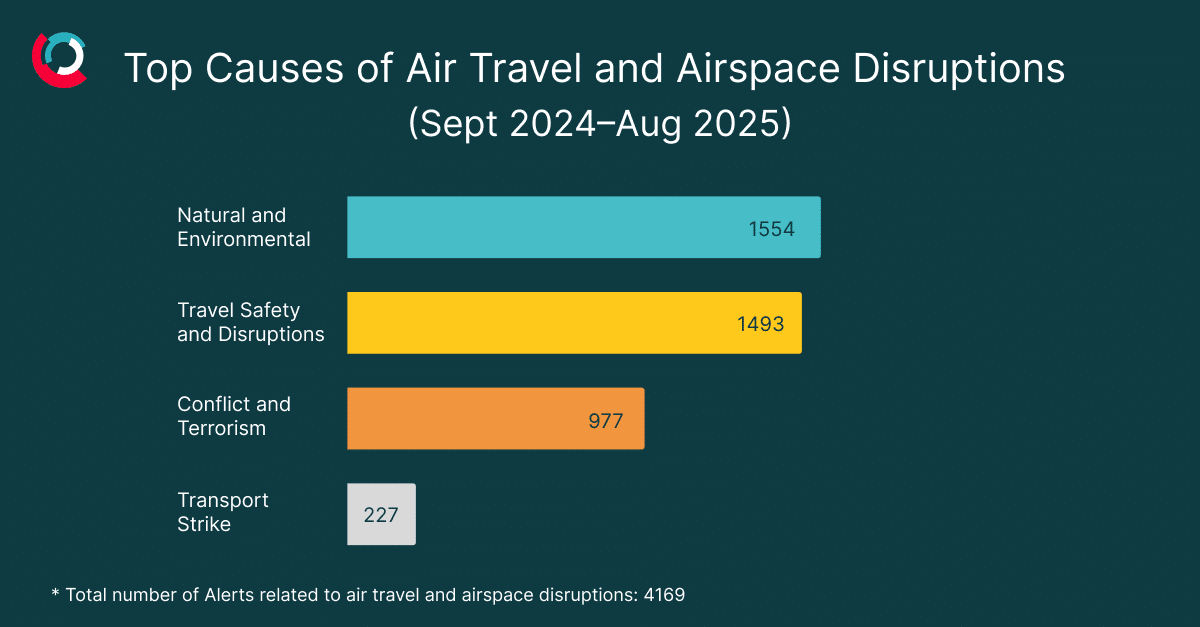
From September 2024 to August 2025, Riskline issued 4,169 Alerts related to air travel and airspace disruptions. Of these, 37.3% were directly tied to Natural and Environmental events, highlighting the growing impact of climate-related factors on aviation. Close behind were Travel Safety and Disruption Alerts, which accounted for 35.8% and included incidents such as airport closures, security threats and strikes. Conflict and Terrorism made up 23.4%, emphasising the ongoing operational risks tied to global instability.
A new level of precision
Recent updates to Riskline’s alert system allow for greater specificity. The “impact” section includes details of individual flights where relevant, citing flight numbers, departure/arrival airports and dates. This addition proves vital in cases such as bomb threats, emergency landings or diversions, where a single incident may trigger knock-on effects across an airport’s operations.
What we cover and what we don’t
Our analysts follow a clear framework when deciding which incidents warrant an alert. Covered events typically include:
- Major flight disruptions due to weather, conflict, strikes, power outages or technical failures.
- Security incidents that cause airport-wide delays, cancellations, evacuations or diversions.
- Route-wide cancellations, such as airlines suspending services between two countries.
Conversely, not every disruption is included. False bomb threats, for example, are often excluded when they form part of a predictable pattern with no wider operational impact. Similarly, isolated incidents, such as a disruptive passenger that does not affect wider airport operations, are not covered.
Behind the Alerts
Riskline’s database of airports and airlines, drawing on IATA standards and analyst input, is regularly updated when smaller carriers or regional hubs emerge.
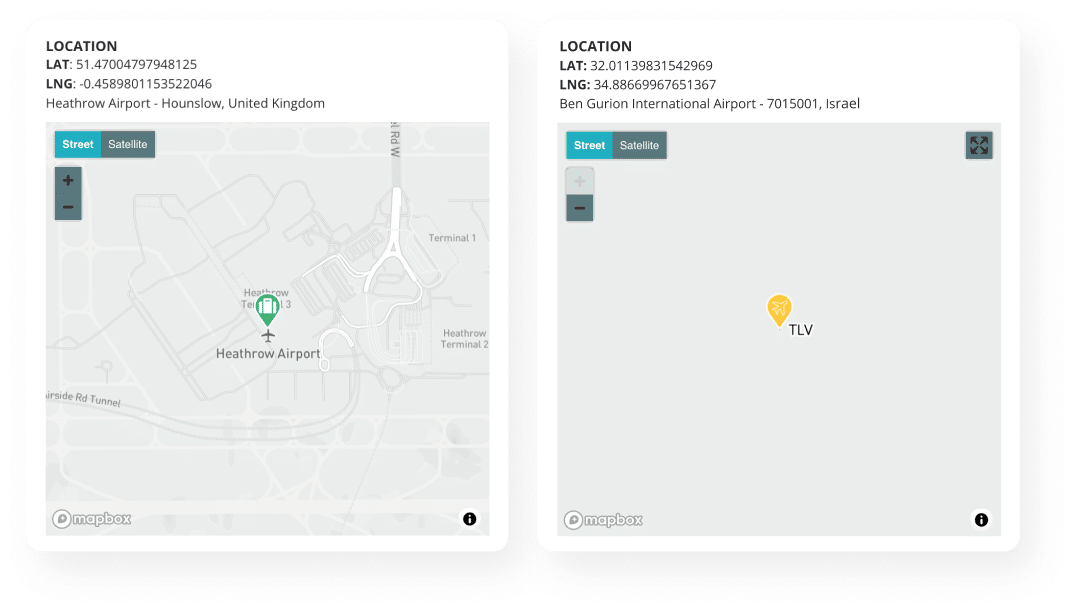
The priority is always clarity. Analysts balance the need for comprehensive detail with the importance of making information digestible. Riskline’s mapping tool allows airports and cities to be visualised directly within Alerts, with pins and country overlays helping clients to quickly assess the scale and location of disruption.
The procedures for airline and airport Alerts are constantly refined to meet client needs. By streamlining how disruptions are categorised, tagged and visualised, we keep them accurate and easy to understand. This ensures clients receive clear, actionable intelligence to navigate an increasingly unpredictable air travel environment.
Staying ahead of disruptions
Alerts on travel disruptions are valuable for a wide range of organisations. Airlines that identify and act on early warnings can stay ahead of operational impacts, turning potential setbacks into strategic advantages. Riskline’s data provides actionable intelligence that enables proactive management of airline operations, safeguarding efficiency, reputation and customer trust.
Corporate travel managers, logistics providers and tour operators can also benefit from timely Alerts. They can adjust schedules, mitigate risks and keep travellers informed. Even companies outside the travel sector, such as multinational businesses with employees on the move, can use this intelligence to maintain operations and ensure staff safety.