




Schengen Entry/Exit System (EES)

Schengen border controls

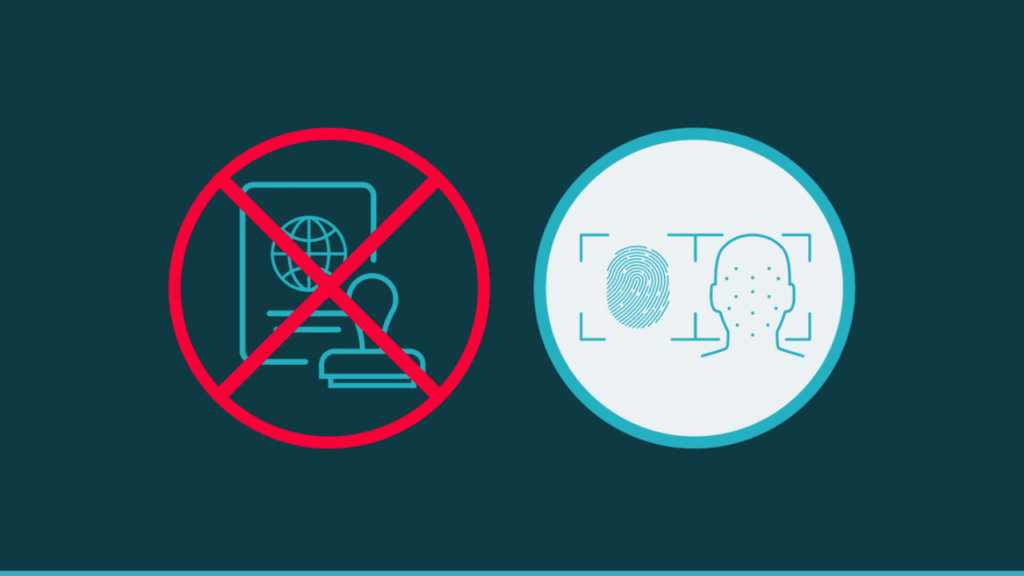
From 12 October 2025, non-EU nationals entering the Schengen Area for short stays may experience delays due to the rollout of automated border controls under the Schengen Entry/Exit System (EES). Travellers should ensure their documents are valid and that they comply with stay limits. The EES will gradually collect biometric data and record entries, exits and refusals at external borders, with full implementation expected by 10 April 2026. Border officers may still ask questions after automated checks.

What to Expect:

Automation is expected to gradually reduce waiting times, particularly during peak travel seasons at airports, train stations and other entry points. In the first days of implementation, some airports reported longer waiting times up to 90 minutes, and some biometric kiosk failures forced manual passport stamping to continue.

Travel

Impact on Travel: 

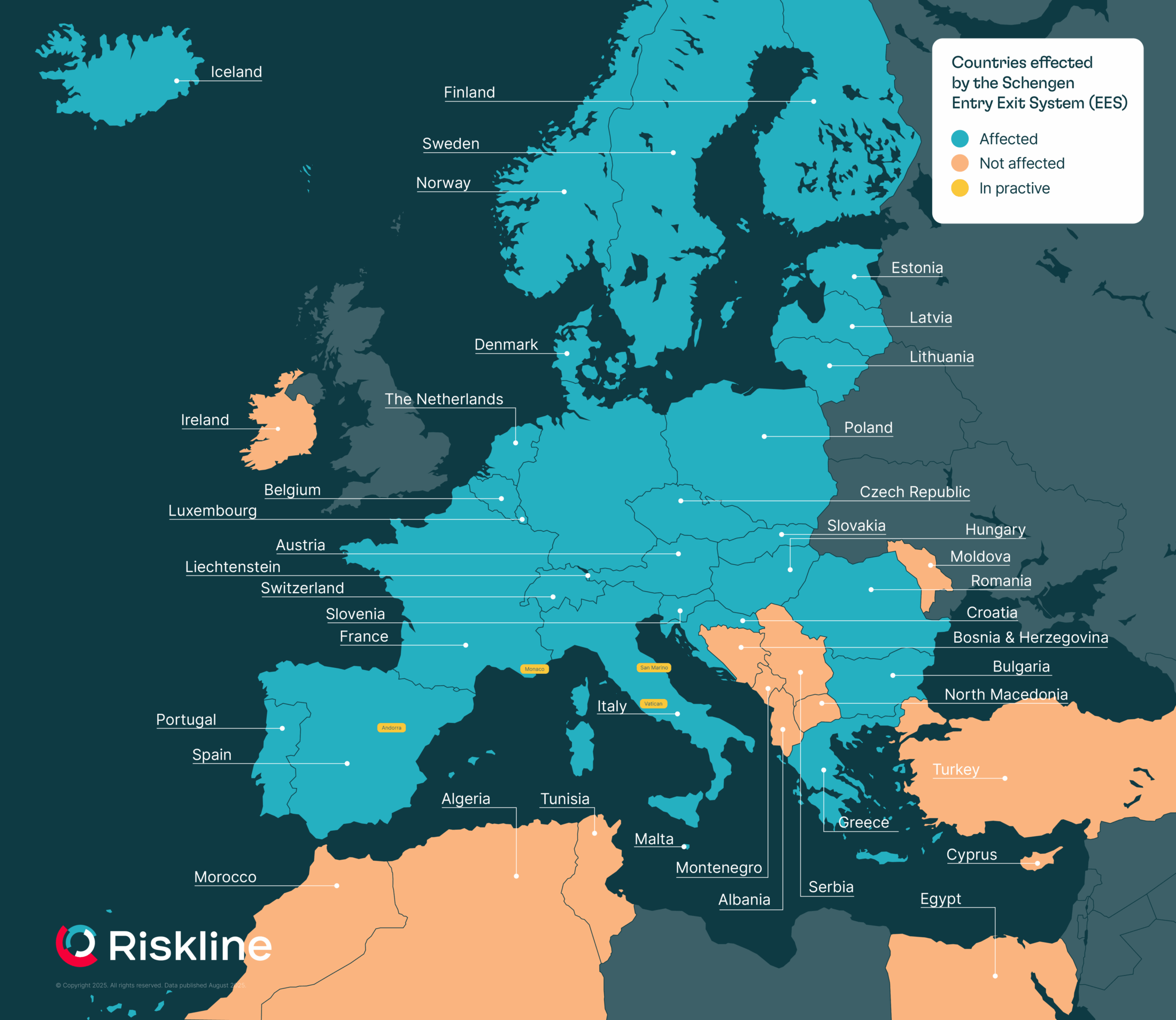
Non-EU nationals entering the Schengen Area for short stays may face delays due to the new system. Those most affected include travellers with prior overstays, rejected visas, identity issues, expiring EU permits or pending residency approvals. The EES will operate at all external Schengen borders, including airports, seaports, land borders and UK-EU crossing points such as Dover Port and Eurotunnel and Eurostar facilities. Initial implementation may cause queues.

Advice: 

  • Ensure identification and travel documents are valid and comply with Schengen entry rules.
  • Biometric passports are required for self-service lanes; non-biometric passports must use regular lanes.
  • Border officials retain full discretion to allow or refuse entry.
  • Check remaining allowed stay using the short-stay calculator or border equipment; officers can provide this information.
  • Allow at least two hours for connecting flights in Schengen airports during EES rollout.
  • Keep detailed travel records (boarding passes, passport stamps, proof of residence or renewal applications).
  • Travellers with prior overstays should consult an immigration lawyer before travelling near the EES launch.


schengen-EES-Map-v1A

Disclaimer

This is a summary of our Advisories. The full version provides a detailed analysis, additional insights and the context for each incident. You can view a sample here.

Request a demo to see our Advisories in action.

Destinations Impacted 

Austria; Belgium; Bulgaria; Croatia; Czech Republic; Denmark; Estonia; Finland; France; Germany; Greece; Hungary; Iceland; Italy; Latvia; Liechtenstein; Lithuania; Luxembourg; Malta; Netherlands; Norway; Poland; Portugal; Romania; Slovakia; Slovenia; Spain; Sweden; Switzerland

Risk Levels

Safe, with few security risks. Travel disruptions: travel is possible with an expectation of routine disruptions and delays.

Generally safe, with some predictable security risks. Travel disruptions: travel is possible with an expectation of routine disruptions and delays.
Not completely safe, but typically presents predictable security risks. Travel disruptions: travel is possible, but there is a potential for disruptions.
Can be dangerous and may present unexpected security risks. Travel disruptions: travel is possible, but there is a potential for severe or widespread disruptions.
Extremely dangerous and presents unpredictable security risks. Travel disruptions: chaotic; travel impossible.

Destination Research

Destination risk, safety & travel reports

Travel Search

Visa, health, safety & documentation

TripReady

Pre-travel security & travel safety advisories

Realtime Alerts

Breaking on-site travel risk updates 24/7

Visa Check Beta Tool

Instant, accurate visa rules for 220+ countries

Travel and Tech Data

Data to improve user satisfaction

Technology Solutions

APIs, widgets and portal

The Informer

Articles, news and product updates

Newsroom

The latest developments at Riskline

Resources

In-depth content on relevant topics

Download the PDF