




Outbreak of mosquito-borne viruses in the Americas

Mosquito-borne viruses in the Americas

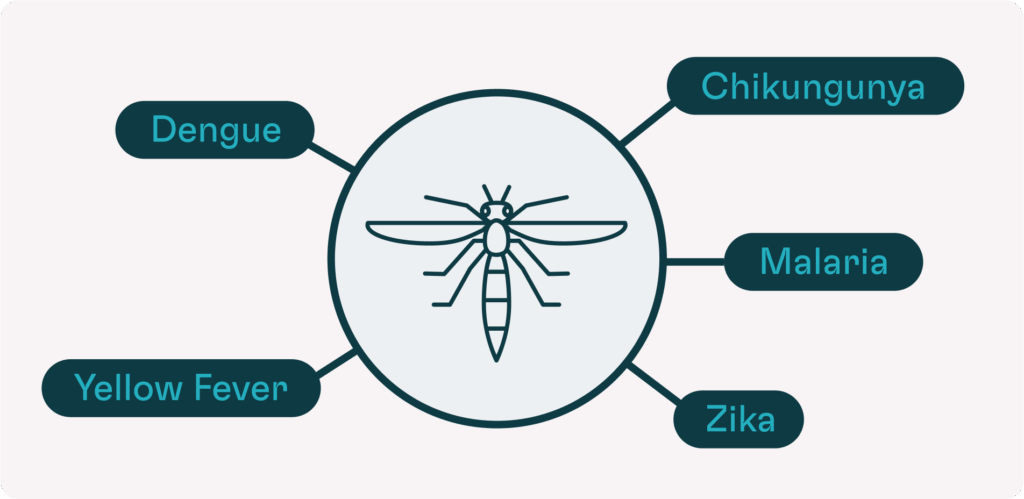
Mosquito-borne viruses (dengue, chikungunya, Zika, yellow fever, malaria) are increasing across the Americas due to climate change, deforestation and urbanisation. Peaks occur during local rainy seasons. 

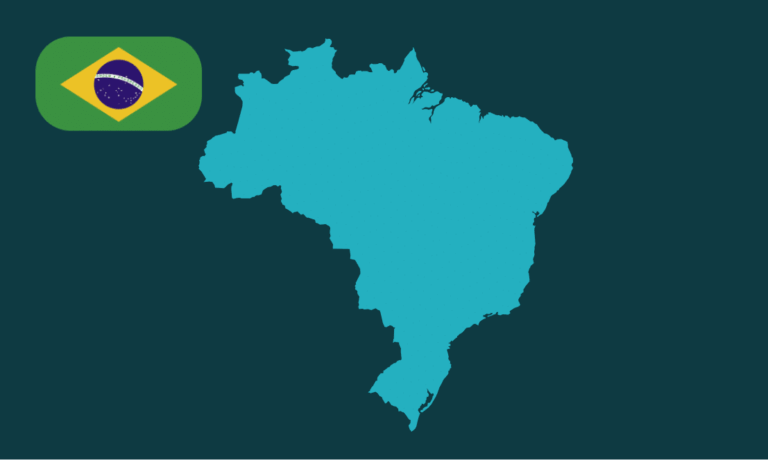
  • Dengue: As of November, over 4.1 million suspected and over 1.6 million confirmed cases as well as 2,089 deaths were reported, with the majority in Brazil, where authorities issued a state of emergency (SoE) in São Paulo state. The 2025 figures represent a 10 percent decrease compared to the average of the last five years. Guyana, Brazil, Guadeloupe, Saint Martin, Belize, Panama and Paraguay reported the highest incident rates. Colombian authorities declared a six-month health emergency in the Huila department on 28 January, amid an outbreak of type II dengue fever.
  • Chikungunya: Cases in the Americas rose sharply, reaching 107,860 confirmed and 267,265 suspected cases as of November, with 119 deaths reported. Cuba, Brazil and Bolivia had the highest infection rates and transmission spread beyond traditional areas.
  • Zika: Zika virus cases in the Americas remained lower than 2022 – a peak year –, with around 1,620 confirmed and 25,473 suspected cases reported as of November, mostly in Brazil, Bolivia and Argentina, where the incident rates were also highest.
  • Malaria: Outbreaks continue in Venezuela, Brazil, Colombia, Bolivia, Mexico, Costa Rica, Dominican Republic, Panama and Trinidad and Tobago; early detection is key for treatment.


Transmission and Precautions:

  • Vectors: Aedes mosquitoes transmit chikungunya, dengue, yellow fever and Zika; Anopheles mosquitoes transmit malaria.
  • Activity: Mosquitoes are most active in early morning and late afternoon; some are nocturnal.
  • Prevention: Use insect repellent, long clothing, mosquito nets and ensure vaccination or prophylactic medication when available.


Symptoms and Treatment:

  • Chikungunya: Fever, joint pain, headache; usually non-fatal.
  • Dengue: Fever, joint pain, headache; severe cases may cause haemorrhaging; no treatment.
  • Zika: Fever, rash, joint/muscle pain; may cause birth defects; no treatment.
  • Yellow Fever: Fever, chills, nausea; may cause jaundice or organ failure; vaccination may be required.
  • Malaria: Fever, chills, anaemia; treatable if detected early; prophylaxis recommended.


What to Expect:

The impact of the increased transmission will depend on several factors, including country capacities for a coordinated public health response, high mosquito densities due to interrupted vector control activities during the COVID-19 pandemic and the susceptibility to infections, particularly in areas where these viruses are newly circulating.
Travel

Impact on Travel:

Travellers should take precautions against mosquito bites and ensure vaccination or preventive medication where applicable.

Advice:

  • Travellers should wear long sleeves and pants, apply insect repellent to exposed skin and clothing and use a bed net when sleeping in unscreened or non-air-conditioned rooms. 
  • Travellers should ensure they are up-to-date on vaccines, consult healthcare professionals about prophylactics and take precautions with sexual activity, including using protection.

Disclaimer

This is a summary of our Advisories. The full version provides a detailed analysis, additional insights and the context for each incident. You can view a sample here.

Request a demo to see our Advisories in action.

Destinations Impacted 

Moderate risk countries: Antigua and Barbuda; Argentina; Aruba; Bahamas; Barbados; Belize; Bermuda; Bolivia; Bonaire; Sint Eustatius and Saba; British Virgin Islands; Cayman Islands; Colombia; Costa Rica; Cuba; Curaçao; Dominica; Dominican Republic; Ecuador; El Salvador; French Guiana; Grenada; Guadeloupe; Guatemala,; Guyana; Haiti; Honduras; Jamaica; Martinique; Mexico; Montserrat; Nicaragua; Panama; Paraguay; Peru; Puerto Rico; Saint Barthelemy; Saint Martin; Sint Maarten, St. Kitts and Nevis; St. Lucia; St. Vincent and the Grenadines; Suriname; Trinidad and Tobago; Turks and Caicos; United States of America; Uruguay; US Virgin Islands; Venezuela

Medium risk countries: Brazil

Risk Levels

Safe, with few security risks. Travel disruptions: travel is possible with an expectation of routine disruptions and delays.

Generally safe, with some predictable security risks. Travel disruptions: travel is possible with an expectation of routine disruptions and delays.
Not completely safe, but typically presents predictable security risks. Travel disruptions: travel is possible, but there is a potential for disruptions.
Can be dangerous and may present unexpected security risks. Travel disruptions: travel is possible, but there is a potential for severe or widespread disruptions.
Extremely dangerous and presents unpredictable security risks. Travel disruptions: chaotic; travel impossible.

Destination Research

Destination risk, safety & travel reports

Travel Search

Visa, health, safety & documentation

TripReady

Pre-travel security & travel safety advisories

Realtime Alerts

Breaking on-site travel risk updates 24/7

Visa Check Beta Tool

Instant, accurate visa rules for 220+ countries

Travel and Tech Data

Data to improve user satisfaction

Technology Solutions

APIs, widgets and portal

The Informer

Articles, news and product updates

Newsroom

The latest developments at Riskline

Resources

In-depth content on relevant topics

Download the PDF