




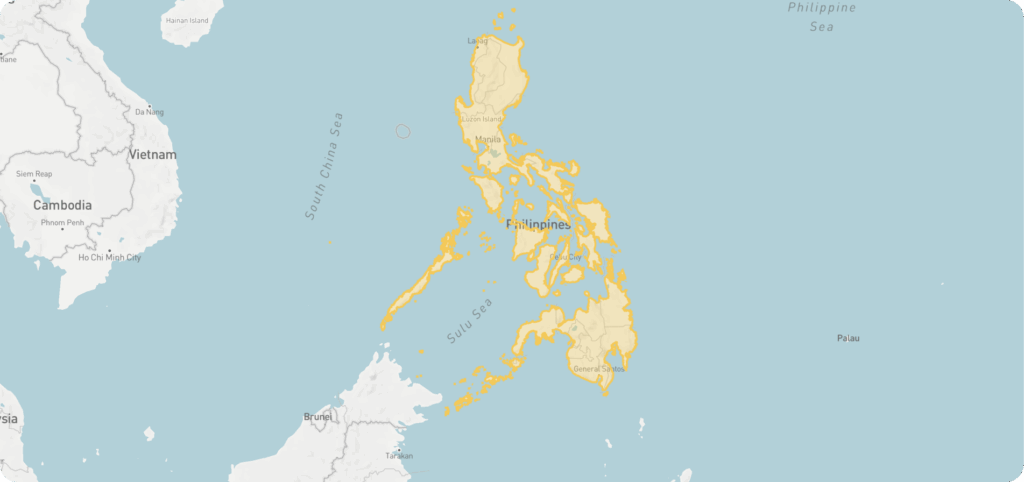
Philippines: Nationwide anti-corruption protests and related strike actions

Manila anti-corruption protests

Since mid-September, thousands of activists and members of trade, transport and student unions have staged large anti-corruption protests across Manila and Quezon City. The unrest followed President Ferdinand Marcos Junior’s revelation during his July State of the Nation address that fake flood-control projects caused losses of around USD 2 billion between 2023 and 2025.

Some recent demonstrations in Manila have turned violent, with protesters torching vehicles and vandalising buildings, while police used tear gas and baton charges to disperse crowds. At least 84 people were injured and 72 arrested near Mendiola Peace Arch overnight on 21–22 September. Other protest flashpoints include the Malacañang Presidential Palace, Rizal Park and the People Power Monument in Quezon City.

What to Expect: 

The anti-corruption movement continues to spread nationwide, with demonstrations reported in Cebu and San Fernando (Pampanga province). More large-scale protests are likely, potentially disrupting travel and sparking violence, as the government has yet to announce concrete anti-corruption measures. Security forces are expected to maintain a strong presence and continue using heavy-handed tactics and mass arrests.
Travel

Impact on Travel: 

Nationwide strikes led by PISTON transport operators between 13 and 21 September severely disrupted public transport, including jeepneys, taxis, vans, cabs, tricycles and buses. In Manila, protesters have regularly staged roadblocks near government buildings, causing major overland travel disruptions. Curfews, mainly affecting minors, were imposed in some protest-hit areas. Similar restrictions could occur again. While Ninoy Aquino International Airport (MNL/RPLL) has not faced disruptions so far, future flight delays or cancellations cannot be ruled out if unrest escalates.

Advice:

  • Expect heightened security and travel disruptions during protests and strikes.
  • Avoid large gatherings and limit outdoor movement.
  • Comply with official directives and seek shelter at any sign of unrest.
  • Avoid areas with heavy security presence.
  • Stay informed, register with your embassy and review evacuation plans.
  • Prepare for sudden travel restrictions or security changes.

Disclaimer

This is a summary of our Advisories. The full version provides a detailed analysis, additional insights and the context for each incident. You can view a sample here.

Request a demo to see our Advisories in action.

Destinations Impacted 

Philippines (urban areas only)

Risk Levels

Safe, with few security risks. Travel disruptions: travel is possible with an expectation of routine disruptions and delays.

Generally safe, with some predictable security risks. Travel disruptions: travel is possible with an expectation of routine disruptions and delays.
Not completely safe, but typically presents predictable security risks. Travel disruptions: travel is possible, but there is a potential for disruptions.
Can be dangerous and may present unexpected security risks. Travel disruptions: travel is possible, but there is a potential for severe or widespread disruptions.
Extremely dangerous and presents unpredictable security risks. Travel disruptions: chaotic; travel impossible.

Destination Research

Destination risk, safety & travel reports

Travel Search

Visa, health, safety & documentation

TripReady

Pre-travel security & travel safety advisories

Realtime Alerts

Breaking on-site travel risk updates 24/7

Visa Check Beta Tool

Instant, accurate visa rules for 220+ countries

Travel and Tech Data

Data to improve user satisfaction

Technology Solutions

APIs, widgets and portal

The Informer

Articles, news and product updates

Newsroom

The latest developments at Riskline

Resources

In-depth content on relevant topics

Download the PDF