



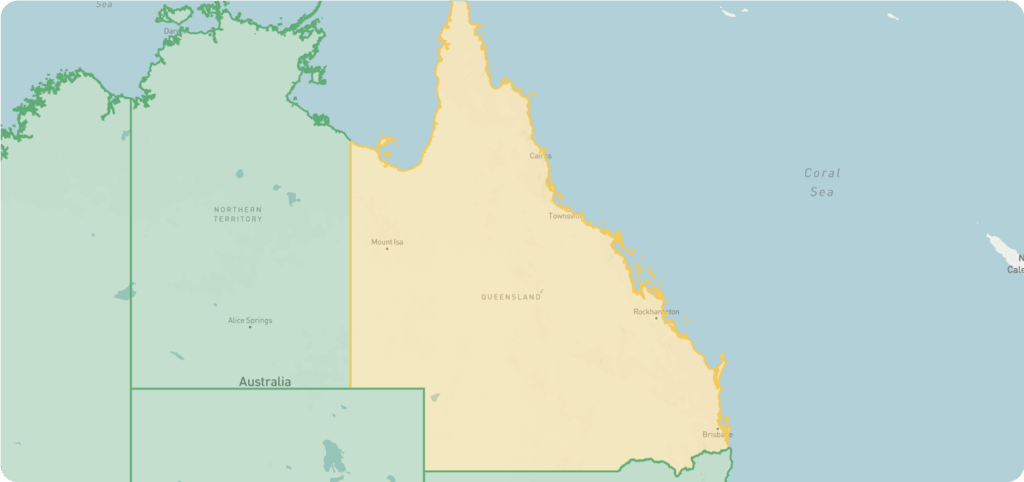
Between September and April, bushfires are common across New South Wales, Queensland, Victoria, Western Australia, Tasmania, South Australia, the Australian Capital Territory and the Northern Territory. One of Australia’s worst bushfire seasons was from September 2019 to March 2020, when at least 33 people were killed, dozens injured and over 5,900 buildings destroyed. Multiple bushfires erupted in Southern Downs, Bundaberg and Somerset regions of Queensland, with some also triggering evacuations in Wivenhoe Hill in late August. This shows an early start to the bushfire season in the northern regions this year.
What to Expect:
Authorities advise residents in bushfire-prone areas to follow Watch and Act alerts, the second-highest warning. People may be asked to move to larger towns, shopping centres or shelters able to withstand fire. Sometimes pre-emptive evacuation orders are issued at this stage. Emergency warnings, the highest level, are issued when fires are out of control and threaten inhabited areas.
Bushfires can cause unplanned power outages, as seen during the fires in Geraldton, Western Australia, in early December. Smoke pollution from Australia bushfires may affect major cities, including Canberra, Darwin, Sydney, Brisbane and Melbourne. High pollution levels can halt business and force people to stay indoors.